

Students in Duquesne University’s mechanical engineering program will have new opportunities to gain hands-on industry experience thanks to a grant awarded through the Pennsylvania Manufacturing Innovation Program.
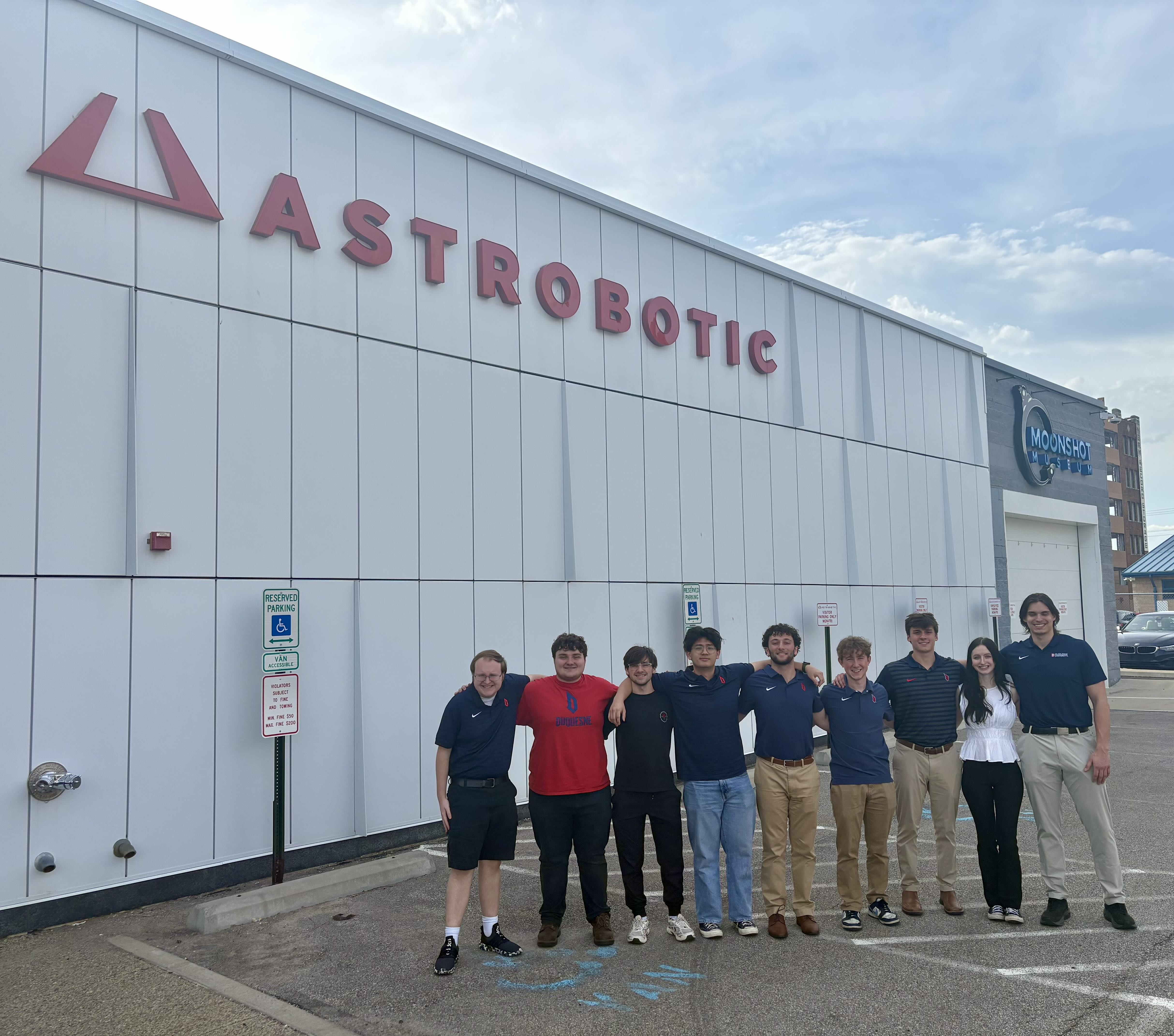
The award, secured by mechanical engineering faculty members Dr. Amin Ghorbanpour and Dr. Katherine Hornbostel, supports a new partnership between Duquesne University and Astrobotic Technology, a Pittsburgh-based aerospace company developing technology for space exploration.
The initiative is one of 47 projects funded across Pennsylvania to strengthen collaboration between higher education and industry while preparing the next generation of engineers and manufacturing professionals for high-demand careers.
For Duquesne students, the impact will be immediate.
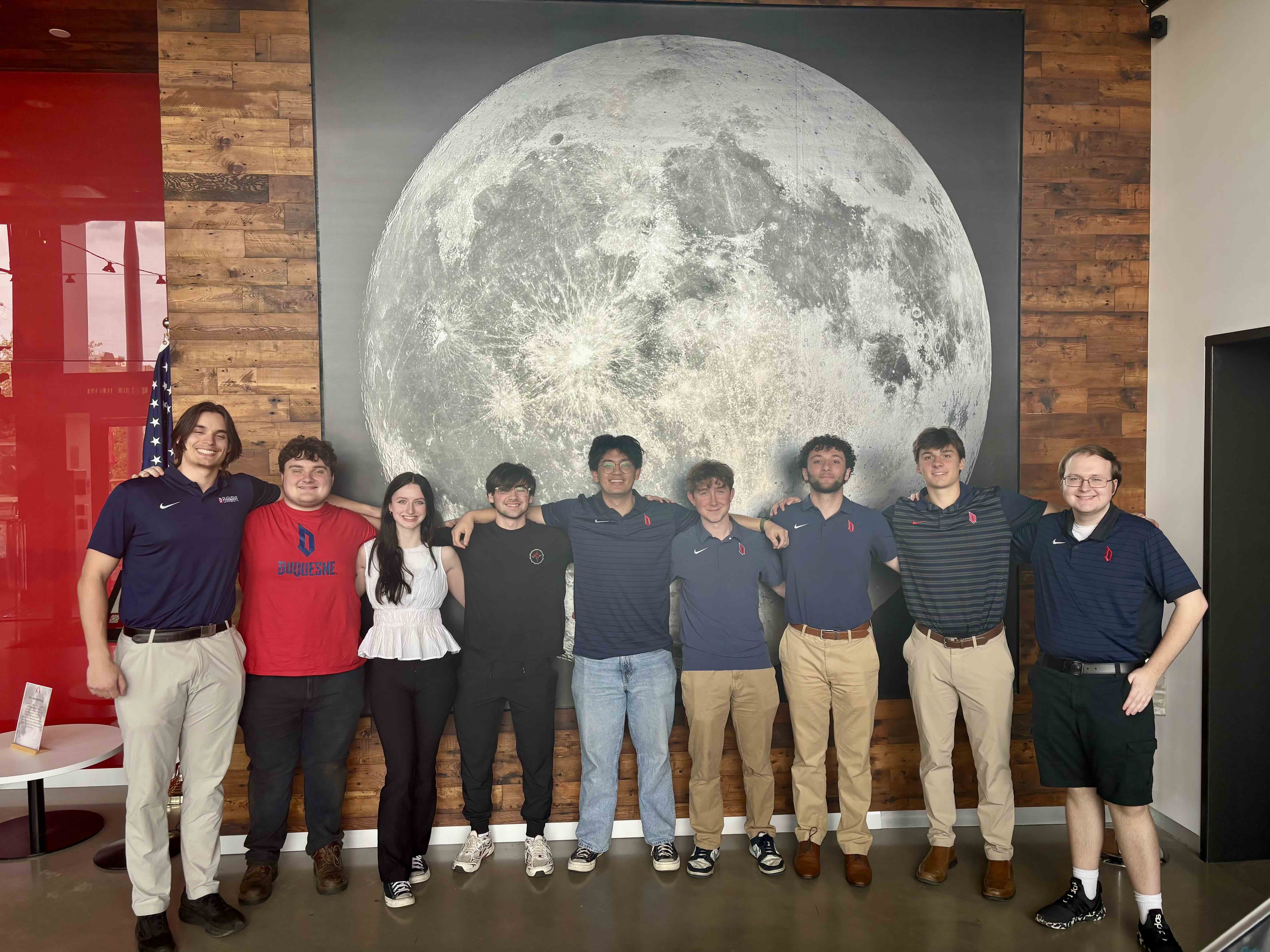
The grant will fund student internships, provide support for a senior capstone design project led by Astrobotic and help establish a model for future industry partnerships within the growing mechanical engineering program.
“This is a really exciting opportunity for our students,” Hornbostel said. “Astrobotic is doing incredible work in aerospace and space exploration, and our students will have the chance to learn directly from engineers who are solving real-world problems every day.”
Turning Classroom Learning Into Real-World Experience
The partnership already is creating opportunities for students to apply their knowledge beyond the classroom. Mechanical engineering student Aaron Stasko is spending the summer interning with Astrobotic through funding provided by the grant.
In the coming academic year, Duquesne’s first mechanical engineering graduating cohort will work on an Astrobotic-sponsored senior capstone project, allowing students to tackle a real engineering challenge while collaborating with industry professionals.
Capstone projects are designed to bring together concepts learned throughout an engineering curriculum. By partnering directly with a company, students gain experience working on projects that mirror professional engineering practice.
“In larger programs, not every student gets the opportunity to work with an industry partner. Because we're a smaller program, we can provide that direct connection. Students can work with engineers, visit facilities and experience what engineering looks like in practice.”
The experience gives students an opportunity to apply technical knowledge in a supportive environment while developing professional skills that will help them transition into the workforce.
“Capstone is really a culminating experience,” Hornbostel said. “Students take everything they've learned throughout college and use it to solve a real problem. It helps bridge the gap between the classroom and a full-time engineering career.”
Learning Together Through Industry Collaboration
The partnership reflects one of the defining strengths of Duquesne's engineering programs: close collaboration among students, faculty and industry partners.
Rather than learning about engineering challenges from a distance, students will work alongside professionals actively developing new technologies.
“Working on real engineering challenges helps students connect classroom knowledge to practical applications, where meaningful learning happens. These experiences strengthen their problem-solving skills and prepare them with the knowledge, confidence and hands-on experience needed to succeed in their careers after graduation.”
For Hornbostel, that connection is invaluable.
“Industry partnerships help students see how what they're learning in class applies to real engineering problems,” she said. “They also create opportunities to build professional relationships that can lead to internships and future employment.”
The collaboration also creates opportunities for companies to engage with emerging talent while helping shape the skills students develop before graduation.
Creating Pathways to Career Success
The grant aligns with Duquesne’s commitment to preparing students for meaningful careers through experiential learning and professional engagement.
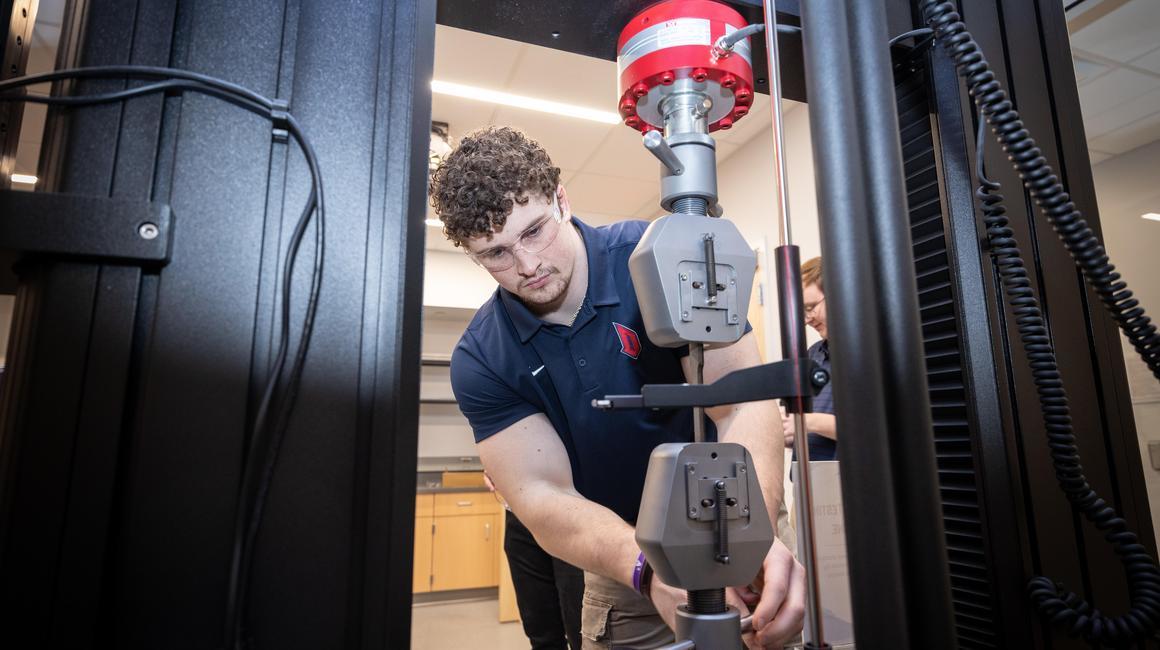
Internships and industry-sponsored projects provide students with opportunities to build technical expertise, gain workplace experience and expand their professional networks long before graduation.
Those connections often become pathways to future careers.
“It creates a pipeline,” Hornbostel said. “Students gain experience, employers get to know our students, and it helps create opportunities for full-time positions after graduation.”
The program’s small size has already allowed faculty to work closely with students to secure meaningful opportunities. Members of the first mechanical engineering cohort are currently engaged in internships, research projects and engineering positions across a range of industries.
“There’s a lot of excitement around our program right now,” Hornbostel said. “Because we're small, we can connect students with opportunities in a way that's difficult for larger programs.”
Looking Beyond One Project
While the grant provides one year of funding, faculty view it as the beginning of something much larger.
Hornbostel describes the project as a “sandbox year”—an opportunity to develop a model for industry collaboration that can continue to grow as the mechanical engineering program expands.
The department hopes to build on the Astrobotic partnership while developing relationships with additional companies that can support future capstone projects, internships and research opportunities.
“Our goal is to use this as a foundation,” Hornbostel said. “We want to show the value of these partnerships and continue creating opportunities for future students.”
As Duquesne’s mechanical engineering program continues to grow, initiatives like this ensure students have access to the kinds of experiences that prepare them not only to enter the workforce, but to lead innovation within it.
For prospective students considering engineering, Hornbostel believes the message is simple.
“This is a great time to be part of our program. Our students are getting incredible opportunities, working directly with industry partners and building the skills and connections that will help them succeed after graduation.”
News Information