

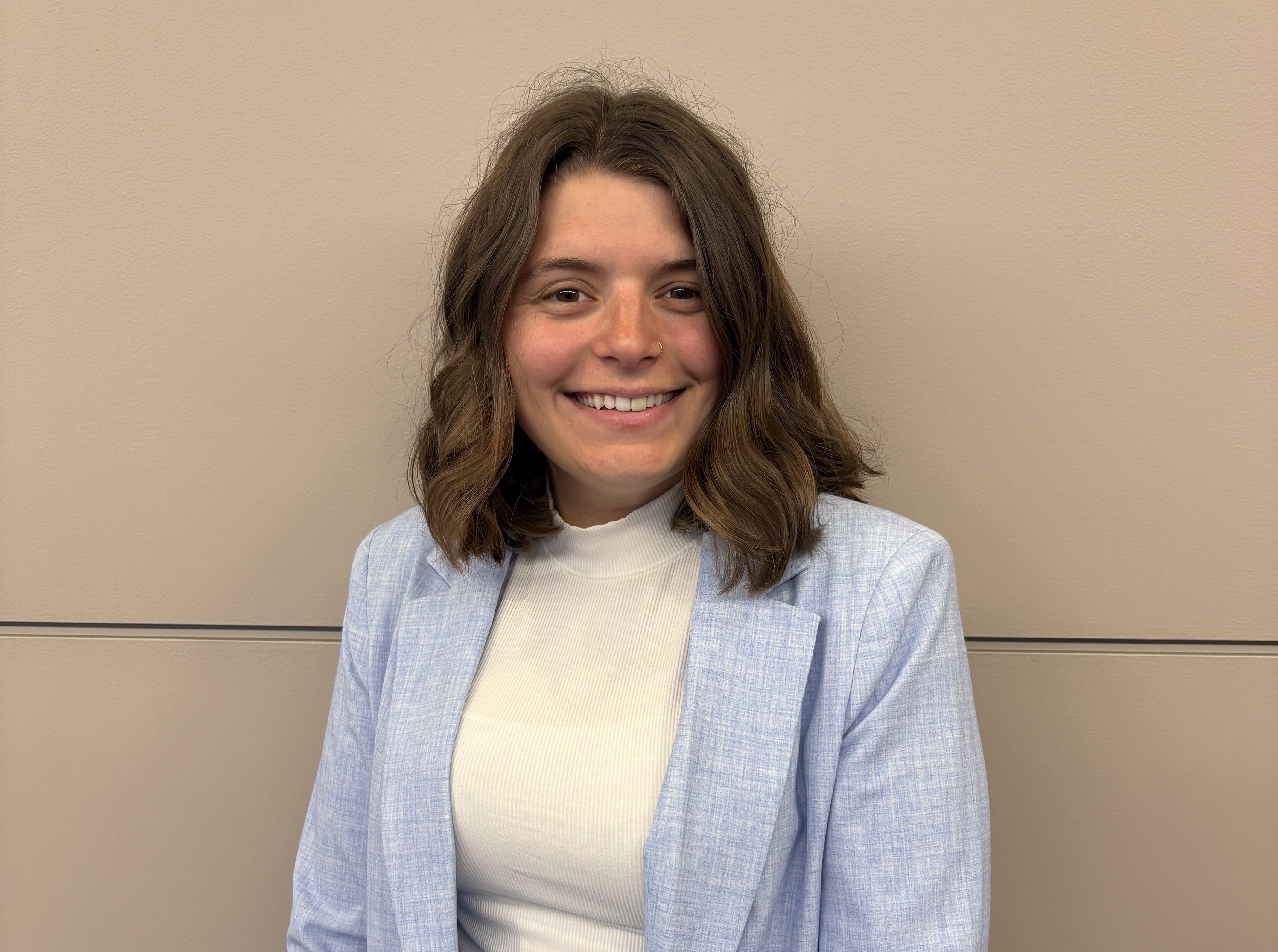
When Felicia Bedford McGee arrived at Duquesne University, she planned to become a physician. Today, the 2024 graduate, who earned dual degrees in Biological Sciences and English, is pursuing a legal career and currently serves as a law student intern with the York County District Attorney’s Office.
While her destination changed, Felicia says her time in Duquesne University's School of Science and Engineering gave her exactly what she needed to discover where she belonged.
Expanding Horizons Through Discovery
Like many students, Felicia entered college with a clear vision of her future. But as she explored new opportunities, she realized her interests extended beyond medicine.
“I knew I wanted to help people and solve problems,” she said. “During COVID and while working in healthcare, I saw so many situations that felt unfair. I felt like I needed to do something about it.”
Rather than viewing a change in direction as a setback, Felicia embraced the opportunity to explore new possibilities. Through conversations with faculty, career development courses, networking opportunities and informational interviews, she discovered how a science degree could open doors far beyond traditional laboratory or healthcare careers.
“The thing about a science degree is that it teaches you how to solve problems. Nearly every profession requires that skill.”
Her experiences in the School of Science and Engineering helped her see connections between scientific inquiry and legal practice—particularly in areas that require analytical thinking, research and evidence-based decision-making.
Learning Together
One of the most influential experiences during Felicia’s undergraduate career was her research in the laboratory of Dr. Brady Porter.
Working in environmental research exposed her to the impact human activity can have on the natural world and sparked an interest in issues related to land use and property disputes—areas of law she now hopes to explore further.
“Getting out into the environment and seeing firsthand the impact humans have on nature was incredibly meaningful,” she said. “It’s a large part of why I’m interested in land disputes today.”
Research also taught her skills that continue to serve her well in law school.
“The analytical and scientific writing skills I developed have been invaluable. Legal research and writing are similar to scientific research in many ways.”
Outside the lab, Felicia developed leadership skills as president of Tri-Beta and editor-in-chief of DUQuark. Those experiences strengthened her ability to communicate, collaborate and lead diverse groups of people.
Just as important were the relationships she built with faculty and classmates.
She credits faculty mentors, including Dr. Philip Palmer, Dr. Kasey Christopher, Dr. Elisabeth Chalovich and Dr. Becki Campanaro, for providing guidance, encouragement and support throughout her journey.
“Duquesne introduced me to people who completely changed my life,” she said. “The friendships and mentorships I built there continue to shape who I am today.”
Prepared for Anything
Although law school may seem like an unconventional next step for a biology graduate, Felicia quickly discovered that the skills she developed through scientific training translated naturally into the legal profession.
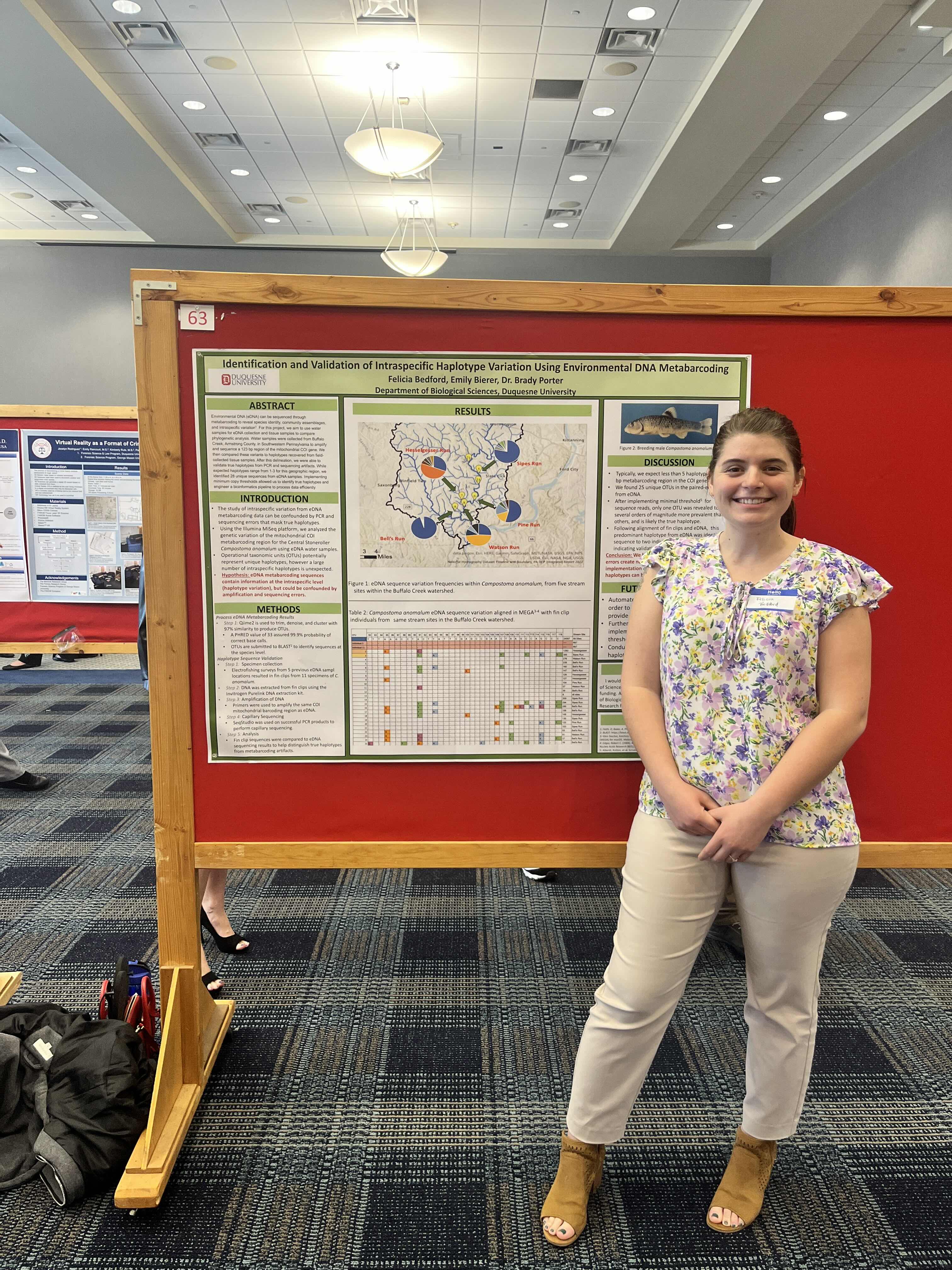
Research taught her how to analyze complex information, identify patterns, evaluate evidence and communicate findings clearly—skills she now uses every day in her legal studies and internship work.
She also learned the value of persistence and self-advocacy.
“Law is a profession built on networking and communication,” she said. “Learning to confidently approach professors, researchers and professionals at Duquesne helped me become comfortable advocating for myself and, eventually, for future clients.”
That preparation continues to benefit her as she gains hands-on experience in the legal field.
The strong work ethic she developed at Duquesne remains one of the lessons she carries with her most.
“When you’re passionate about what you do, working hard becomes easy,” she said. “You always want to be better than you were the day before.”
Opportunity Begins with Support
Felicia acknowledges that pursuing law as a science student was not the most traditional path. Yet she found that her STEM background became one of her greatest strengths.
“When I started speaking with judges and attorneys, they were fascinated by my science background,” she said. “It helped me stand out.”
She also learned that a science degree creates opportunities many students may not initially recognize, including potential careers in patent law and other specialized legal fields that value scientific expertise.
For current students considering a similar path, her advice is simple: start building connections early.
“Reach out to people,” she said. “Duquesne alumni are incredibly willing to help. The conversations I had with attorneys and mentors played a huge role in helping me navigate law school applications and understand the profession.”
Looking Ahead
As she continues law school, Felicia remains open to the many possibilities ahead. While her current internship has given her firsthand experience in criminal law, she has also developed a growing interest in property law, trusts and estates, and land-use issues.
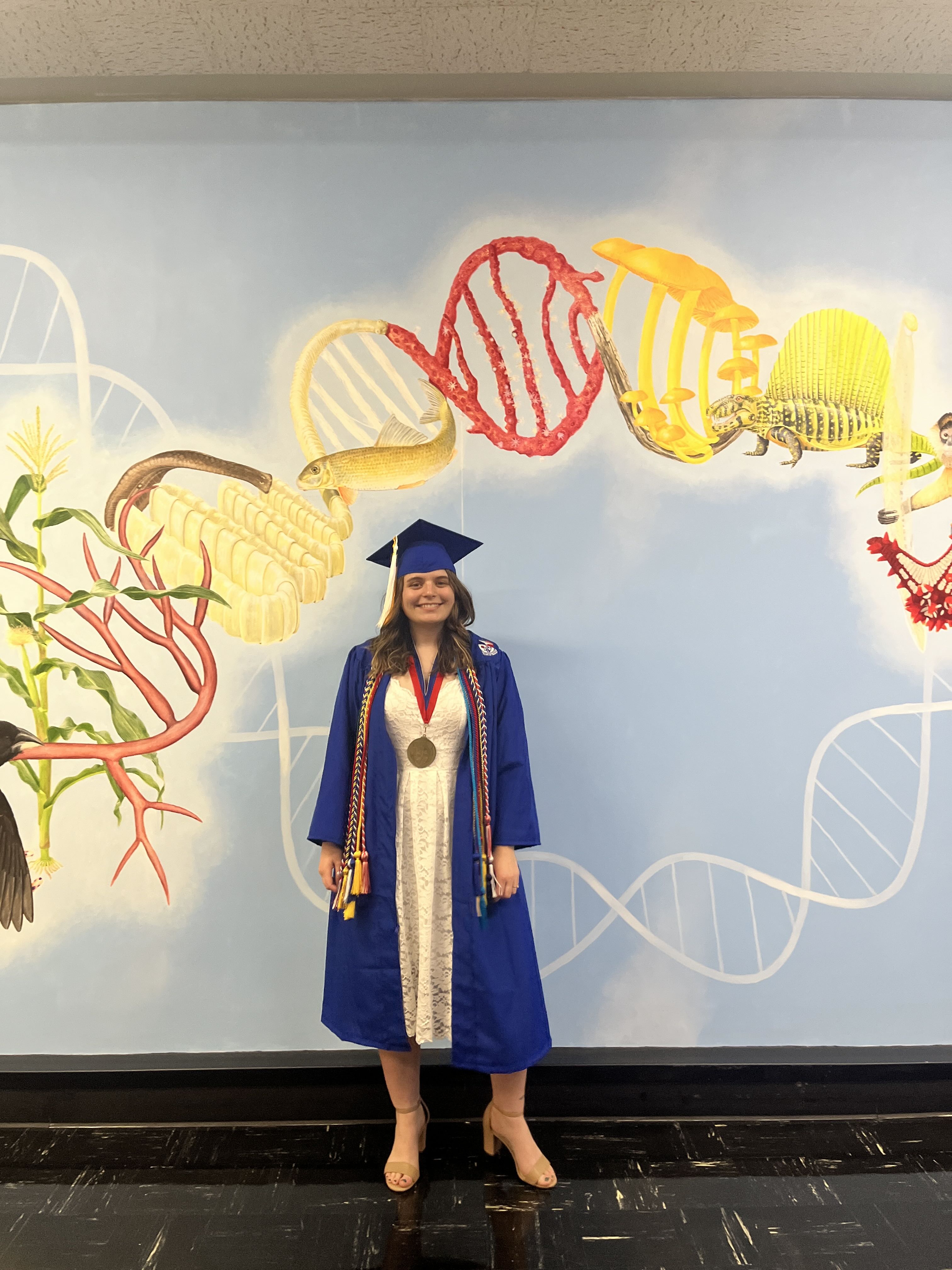
No matter where her career leads, she plans to draw on both her scientific and legal training to make a meaningful impact.
Looking back, she says the most valuable part of her Duquesne experience was the community that surrounded her.
“I’m most grateful for the people,” she said. “The friends and mentors I found at Duquesne supported me through every stage of my journey.”
For Felicia, Duquesne was more than a place to earn a degree—it was a place to discover her purpose.
“Duquesne is a place where, if you take advantage of the opportunities available to you, success becomes possible,” she said. “It taught me how to work hard, stay curious and keep learning. Those lessons are what got me where I am today.”
News Information
Published
June 11, 2026