


Over A Century Of Experience Educating Pharmacists
Ranked as a top pharmacy school in the U.S., Duquesne University School of Pharmacy offers undergraduate and graduate pharmacy programs brimming with experiential learning, extensive clinical training and personalized faculty mentorship.
Our Catholic history informs our holistic approach to education and ensures your success personally, academically, and professionally. Whether you enroll in our flexible online Pharm.D. program or study at Duquesne’s Pittsburgh campus, we champion your success by equipping you with a versatile skill set and access to helpful student resources.
Find your place at Duquesne University by joining our thriving School of Pharmacy community.
Choose The Bridge To Your Future In Pharmacy
The Duquesne University School of Pharmacy offers a Pharm.D. program on the Duquesne University campus in Pittsburgh and online through the Online Pharm.D. Program and accepts applications from current high school students, current undergraduate students and college graduates.
Additionally, the School of Pharmacy offers a Bachelor of Science in Pharmaceutical Sciences program open to current high school students and transfer students, and a variety of M.S. and Ph.D. programs in the pharmaceutical sciences through the Graduate School of Pharmaceutical Sciences.
Already know your program?
Choosing Your Path
The Direct Entry (0-6) Pharm.D. is an on-campus program that allows first-year students to begin their academic journey to becoming pharmacists. The program starts with two years of pre-professional education and guarantees students a space in the following four years of the professional phase.
The Bachelor Of Science In Pharmaceutical Sciences is a four-year program that prepares students to engage in pharmaceutical research and specialize their knowledge in pharmacology, pharmaceutics, medicinal chemistry, or pharmacy administration. Earning a B.S. in Pharmaceutical Sciences can help students pursue higher education and professional training in medicine, dentistry, law, or pharmacy.
As an undergraduate student, you have a series of transfer options based on academic goals. If you have decided to pursue your Doctor of Pharmacy degree, you can transfer to our on-campus Pharm.D. program if you have fulfilled all the prerequisites. If you need additional flexibility from your education, you can transfer to our online Pharm.D. program, which helps you earn a Doctor of Pharmacy in four or six years online with limited on-campus requirements.
For more detailed information, review our Pharm.D. transfer options page.
If your long-term goals include attending medical school or becoming a dentist, enrolling in our bachelor's in pharmaceutical sciences degree program provides a comprehensive, science-based education that supports your future educational and career goals.
If you’ve already earned a bachelor’s degree or higher and want to take the next step toward becoming a pharmacist, you can decide between the online Pharm.D. program or the on-campus Pharm.D. program. Both programs offer immersive learning and clinical experiences and prepare you to sit for the North American Pharmacist Licensure Examination (NAPLEX).
You can also explore our programs in the Graduate School of Pharmaceutical Sciences. Choose from our master of science degree options in industrial pharmacy, pharmacology, and pharmaceutics, or Ph.D. programs in pharmacology and pharmaceutics.
Even if you have already earned your Doctor of Pharmacy degree, there’s always a place for you at Duquesne. We offer various certificate programs for pharmacists and licensed health care professionals throughout the year so you can enrich your expertise.
Contact The Admissions Team!
Jason Stack, Ed.D., MBA
What Sets Duquesne's Pharmacy Education Apart?
We work hard to ensure our students excel inside and outside the classroom. Over the years, our graduates have demonstrated notable success in their professional endeavors, and we are proud to have played a role in helping them achieve their goals.
- Duquesne Pharm.D. graduates earn an average North American Pharmacist Licensure Examination (NAPLEX) pass rate of 91.7%, which exceeds the national average of 86.8%.
- Graduates in traditional and non-traditional pharmacist roles typically earn a median salary exceeding $136,000. As they acquire more experience and continue specializing in their pharmaceutical knowledge, their earning potential increases.
- Our alumni network is 7,400 strong—and growing. Even when their time at the Duquesne School of Pharmacy comes to an end, our students remain connected to a tight-knit community that provides career support, mentorship, and a variety of other benefits.
At Duquesne, every undergraduate student in the Direct Entry Pharm.D. program receives a Student Success Coach to guide them through the pre-professional phase. Our Student Success Coaches provide insight related to transferring credits, class registration, and the ins and outs of the pre-professional pharmacy curriculum.
Additionally, the Student Success Coaches co-leads four Pre-Professional Pharmacy Seminar classes designed to prepare students for the Pharm.D. program's professional phase (years three, four, five, and six) and introduce different pharmacy career paths.
As you enter the professional phase, you will be assigned a faculty mentor from the School of Pharmacy to further support your growth.
- The Center for Pharmacy Care provides health and wellness services to faculty, students, and Duquesne University employees.
- The Center for Pharmacy Practice offers simulated pharmacy experience and introduces student pharmacists to working in community pharmacy and clinical practice settings.
- The Center for Pharmaceutical Technology focuses on advancing pharmaceutical manufacturing. Gain experience operating state-of-the-art analytical and manufacturing equipment.
- The Center for Integrative Health equips the next generation of practitioners to address health care disparities and improve health equity in Pittsburgh and beyond.
We uphold the university-wide mission of excellence and service to the world. That’s why the School of Pharmacy incorporates global study abroad opportunities into our program offerings, ensuring our students understand their role in promoting health and human well-being across the nations.
Each year, our renowned faculty and staff lead our student pharmacists on a global health rotation at the University of Perugia in Perugia, Italy. We also work hard to maintain international partnerships with seven pharmacy schools in five countries, including:
China
- Xi'an Jiaotong University
Italy
- University of Bologna
- University of Perugia
Japan
- Daiichi University
- Kobe Gakuin University
Nigeria
- Obafemi Awolowo University
Poland
- Jagiellonian University
Duquesne University offers a distinguished PharmD program known for its strong
academic foundation and supportive campus environment. Academic excellence is developed
within a connected campus community, where devoted faculty and staff empower students
to pursue and realize their career aspirations.
What I love most about Duquesne is that it is planted right in the city, yet
its campus has a warm and cohesive atmosphere that makes it feel just like home. In
addition to its setting, I have always felt so welcomed, supported and genuinely cared
for as an individual by everyone at Duquesne.
Pharmacy is a field that brings together everything I'm passionate about. It
allows me to engage with patients, contribute to their health, and deepen my understanding
of drugs and the science behind them.
I chose Duquesne University because I immediately fell in love with the campus
and the community. Even before I knew what I wanted to study, I felt like I belonged
here. What stood out most to me during my visit was how much the staff genuinely care
about each student. I never felt like I was “just another number.”
“It’s been really fun and I’ve learned a lot about music along the way, including
how it helps boost a person’s mood,” he said. “There’s a real health component to
it.” Being surrounded by a positive culture is something that is important to Despines,
who noted that culture is what brought him to Duquesne. “I knew as soon as I visited Duquesne that I wanted to be a student here,” he said.
“Everyone was so welcoming and kind.” The support from faculty, staff and fellow students has been important to Despines,
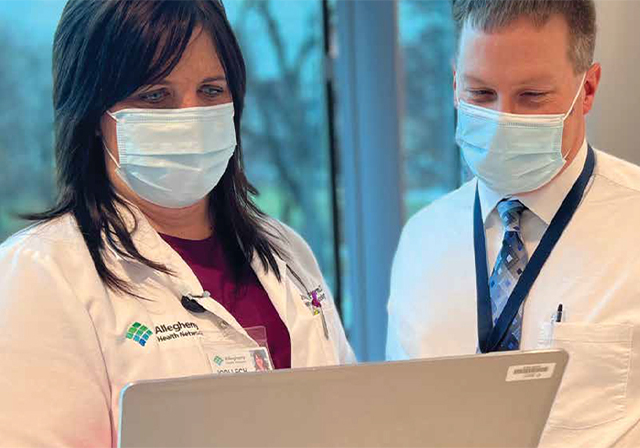
both in and out of the classroom as he balances his studies and DJ work. From becoming a compounding pharmacist to working as a science liaison or in a nuclear
pharmacy, there are continual innovations in the pharmaceutical career field. Earning
a Pharm.D. degree will equip you with the clinical knowledge needed to work in various
roles, including delivering essential care and pushing cutting-edge research forward.By The Numbers
Hear From Our Future Pharmacists!

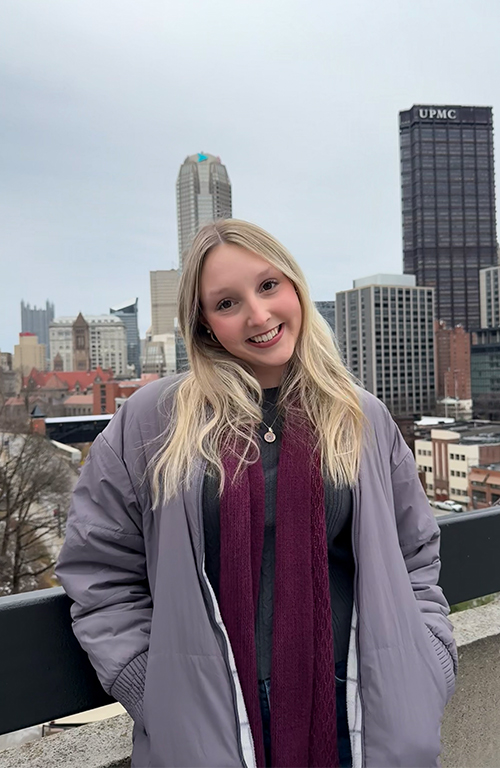

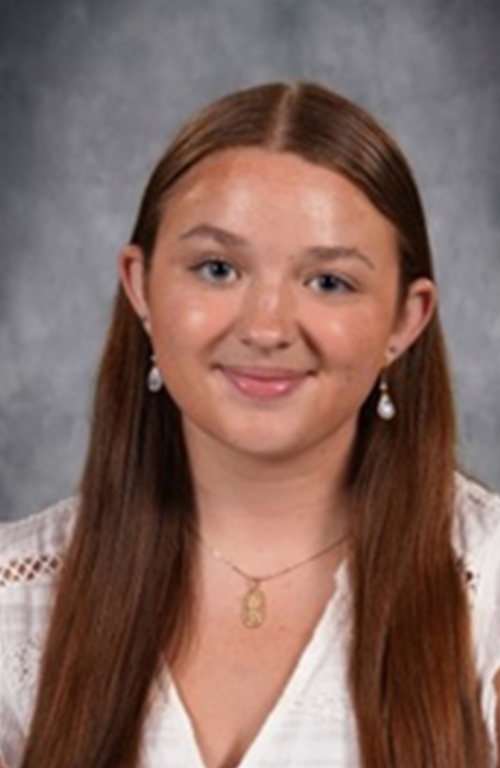
The Perfect Mix: Pharm.D. Student by Day, DJ by Night
“Whether you are talking with a patient or a client, it’s important to listen well
and make a good first impression,” said Despines, a fifth-year Pharm.D. student who
will begin clinical rotations this fall. “And in both professions, you need to think
on the fly. As a pharmacist, you don’t know what issues will come up each day, so
you need to be flexible, positive and open-minded to help your patients.”
Non-Traditional Pharmacy Careers
Expand Your Pharmacy Horizons

212 CreditsPharm.D. Program Curriculum
Course Number
Course Title
Credits
BIOL 111/111L
Biology I W/Lab
4
BIOL 203/204
Intro Microbiology W/Lab
4
BIOL 207/209
Anatomy & Physiology
6
CHEM 121/121L/121R/122/122L/122R
General Chemistry I & II W/ Lab & Recitation
10
CHEM 211/212
Organic Chemistry I & II W/ Lab
8
MATH 115
Calculus I
4
BRDG 101
Writing & Analysis
3
BRDG 102
Writing and Literature
3
THEO ###
Theology-Based Course
3
BRDG 105
Intro to Ethical Reasoning
3
BRDG ###
Essential Questions Seminar
3
BRDG ###
Communication: Creative Expression*
0/3
BRDG ###
Business/Critical Thinking
3
BRDG ###
Cultural Fluency and Responsiveness*
0/3
PHIL ###
Philosophy-Based Course
3
BRDG 103
IPE Health Research Statistics
1
MATH 225
Introduction to Biostatistics
3
PSYC 101 or SOCI 101
Introduction to Psychology or Survey of Sociology
3
PHAR 101
Pre-Professional Seminar (101)
0
PHAR 102
Pre-Professional Seminar (102)
0
PHAR 103
Pre-Professional Seminar (103)
0
PHAR 104
Pre-Professional Seminar (104)
0
Pre-Professional Phase
Total Credits
67/70
*Pre-Professional courses often meet more than one Bridges requirement at a time.
If all Bridges requirements are not met in 67 credits, students are required to take
additional coursework to meet those requirements and to progress to the Professional
Phase. For more information about the Bridges curriculum, please refer to the Bridges
curriculum guide.
Fall
Course Number
Course Title
Credits
PHPR 300
Pharmaceutical Calculations
1
PHBM 350
Biochemistry I - Peptides and Carbohydrate Metabolism
3
PHBM 330
Clinical Pathophysiology
4
PHCE 360/360R
Pharmaceutics I/Recitation
3/0
PHBA 340W
Pharmaceutical Law and Ethics
2
PHPR 341W
Pharmacy Practice I: Patient Care Skills I
2
PHBA 310
The American Health Care System
2
PHIN 321
Ability-Based Laboratory Experience (ABLE) I
0.5
PHEX 301
Continuous Professional Development (CPD) I
0.5
PY1 Fall
Total Credits
18
Spring
Course Number
Course Title
Credits
PHPR 444
Pharmacy Practice III: Self-Care in Pharmacy Practice
2
PHBM 351
Biochemistry II - Metabolism, Protein Synthesis and Nucleic Acids
3
PHBM 331
Basic and Applied Immunology
3
PHCE 361/361R
Pharmaceutics II/Recitation
3/0
PHBM 352
Foundations in Pharmacology and Medicinal Chemistry
3
PHPR 342W
Pharmacy Practice II: Patient Care Skills II
1
PHBA 311
Public Health and Epidemiology
2
PHIN 322
ABLE II
0.5
PHEX 302
CPD II
0.5
PY1 Spring
Total Credits
18
Summer
Course Number
Course Title
Credits
PHEX 372
Intro Experiential Education I
0.5
PY1 Summer
Total Credits
0.5
PY1
Total Credits
36.5
Fall
Course Number
Course Title
Credits
PHBM 432
Biomedical Sciences and Therapeutics (BMST): Cardiology
5
PHBM 418
BMST: Infectious Disease I
3
PHBM 439
BMST: Respiratory Disorders
3
PHBM 401
Patient Case Scenarios I
0
PHCE 430
Biopharmaceutics
3
PHPR 448
Pharmacy Practice IV: Drug Literature Evaluations
2
PHPR 498
Pharmaceutical Science and Practice of Immunization
1
PHIN 423
ABLE III
0.5
PHEX 403
CPD III
0.5
PY2 Fall
Total Credits
18
Spring
Course Number
Course Title
Credits
PHBM 431
BMST: Psychiatry and Neurology
4
PHBM 419
BMST: Infectious Disease II
3
PHBM 435
BMST: Pain, Musculoskeletal and Connective Tissue Disorders
2
PHBM 445
BMST: Endocrine I
2
PHBM 402
Patient Case Scenarios II
1
PHCE 431
Pharmacokinetics
3
PHBM 446
BMST: Endocrine II
2
PHIN 424
ABLE IV
0.5
PHEX 404
CPD IV
0.5
PY2 Spring
Total Credits
18
Summer
Course Number
Course Title
Credits
PHEX 468
Intro Experiential Education II
0.5
PY2 Summer
Total Credits
0.5
PY2
Total Credits
36.5
Fall
Course Number
Course Title
Credits
PHPR 443
Pharmacy Practice V: Physical and Clinical Assessment
3
PHPR 442
Pharmacy Practice VI: Innovative Pharmacy Services and Strategies for Health Outcomes
3
PHBA 411
Pharmacy Management Concepts
2
PHBM 441
BMST: Principles of Hematology, Oncology and Transplantation
3
PHBM 442
BMST: Gastroenterology
3
PHBM 403
Patient Case Scenarios III
0
PHIN 469
Community Engaged Learning: Health Promotion/Disease Prevention & Management
NS-1
PHIN 425
ABLE V
0.5
PHEX 405
CPD V
0.5
Elective(s)
Elective Class
3
PY3 Fall
Total Credits
18-19
Spring
Course Number
Course Title
Credits
PHBA 413W
Management Theory and Application
1
PHBA 412W
Advanced Law and Ethics Applications
1
PHBM 443
BMST: Therapeutics Across the Lifespan
4
PHBM 444
BMST: Therapeutics in the Critically Ill
3
PHIN 490
Personalized Therapeutics: Clinical Pharmacokinetics, Pharmacogenomics, Pharmaceutics
2
PHBM 404
Patient Case Scenarios IV
1
PHIN 469
Community Engaged Learning: Health Promotion/Disease Prevention & Management
NS-1
PHIN 426
ABLE VI
0.5
PHEX 406
CPD VI
0.5
Elective(s)
Elective Credits
5
PY3 Spring
Total Credits
18-19
PY3
Total Credits
37
Summer
Course Number
Course Title
Credits
PHPR 50X
Required Certificate Training** - Select One (1) Option:
0.5
PHPR 502 - Pharmacy & Patient-Centered Diabetes Care
PHPR 503 - Medication Therapy Management
PHPR 509 - Healthcare Leadership
PHEX 482W, 483W
Option to Take Advanced Experiential Education (I, II)*
4-8
PY4 Summer
Total Credits
4.5-8.5
Fall
Course Number
Course Title
Credits
PHEX 482W, 483W,
Advanced Experiential Education (I, II, III, IV, V, VI, VII)
8-16
484W, 485W, 486W,
487W, 488W
PHEX 407
CPD VII
1
PY4 Fall
Total Credits
9-17
Spring
Course Number
Course Title
Credits
PHEX 482W, 483W,
Advanced Experiential Education (I, II, III, IV, V, VI, VII)
8-16
484W, 485W, 486W,
487W, 488W
PHEX 408
CPD VIII
1
PY4 Spring
Total Credits
9-17
PY4
Total Credits
32
*Students are required to take seven Advanced Pharmacy Practice Experiences. These
are: PHEX 482-488 - Advanced Pharmacy Practice Experiences (APPE) - 4 credits each
for a total of 28 credits. These may begin in the Summer Term following the PY3 year.
There are a variety of ways in which APPE's may be scheduled. Students should be aware
that they must carry at least 4.5 credits in order to be considered a part-time graduate
student in the PY4 year and be eligible for financial aid.
**Not all certificate training may be scheduled each year.Electives & Concentrations
Course Number
Course Title
Credits
GPSC 513
Principles of Drug Action, Design and Delivery
3
GPSC 589W
Research Methods Pharmacy Administration
3
GPSC 673
Advanced Pharmacology
3
PHBA 400
Mindfulness for Clinicians
1
PHBA 423
Perspectives in Global Health
3
PHBA 428
International Pharmacy Services
2
PHBM 468
Independent Study and Research
1-4
PHEX 489
Optional Experiential Education
4
PHIN 452
Advanced Concepts in Oncology
3
PHPR 427
Etiology Assessment & Treatment of Pain for Health Care Professionals
3
PHPR 465
SLTP in Senior Care Pharmacy
3
PHPR 468
Ambulatory Care Models - Development, Implementation and Sustainability
3
PHPR 477
General Pediatrics Neonatal Pharmacy Therapy
3
PHPR 478
Seminar in Current Practice Guidelines in Ambulatory Care
2
PHPR 479
Clinical Preparation for Community Pharmacy Practice
2
PHPR 481
Dermatological Therapeutics and Topical Delivery Systems
3
PHPR 488
Technology Pharmacy Practitioner
2
PHPR 489
Branding of Clinical Community Practice
3
PHPR 493
Advanced Acute Care Clinical Skills
3
PHPR 494
Advanced Acute Care Clinical Skills II
3
PHPR 496
Clinical Topics in Palliative and End-of-Life Care
1
The Acute Care Concentration provides student pharmacists with education and training
directed toward careers in Institutional Pharmacy Practice and preparation for ASHP
Residencies. In didactic courses, students study advanced clinical and hospital practice
topics. In experiential rotations, students are required to complete additional experiential
rotations in Advanced Clinical Practice and are encouraged to develop a research project
in conjunction with a practitioner, culminating in a poster presentation at a local
or national meeting.
Course Number
Course Title
Credits
PHPR 493
Advanced Acute Care Clinical Skills I
3
PHPR 494
Advanced Acute Care Clinical Skills II
3
Two Elective Advanced Rotations in Acute Care/Research in addition to 1 required Acute
Care Rotation (3 total rotations)
8
The Ambulatory Care Concentration provides students in the professional phase of the
PharmD program with an opportunity to further develop and enhance skills related to
practice in this growing area.
The Board of Pharmaceutical Specialties (BPS) defines Ambulatory Care Pharmacy as
"the provision of integrated, accessible healthcare services by pharmacists who are
accountable for addressing medication needs, developing sustained partnerships with
patients, and practicing in the context of family and community". Ambulatory Care
Pharmacy services are provided in diverse practice settings including outpatient clinics,
community pharmacies, and telehealth. In 2011, BPS recognized Ambulatory Care Pharmacy
as a distinct specialty within the profession by credentialing pharmacists through
BCACP examination and certification. The BCACP credential is the second most common
BPS credential held by pharmacists practicing in the U.S. In 2014, the American Society
of Health-System Pharmacists also recognized this evolution of practice by revising
their mission and brand to include pharmacists practicing in ambulatory care settings.
Ambulatory care pharmacists typically train through the completion of a PGY1 Pharmacy
Practice or Community Practice Residency and some go on to complete PGY2 Ambulatory
Care residencies. The data suggest that this practice area is of growing interest
among pharmacy graduates.
Course Number
Course Title
Credits
PHPR 479
Clinical Preparation for Community Pharmacy Practice
2
PHPR 478
Seminar in Current Practice Guidelines in Ambulatory Care
2
PHPR 468
Ambulatory Care Models - Development, Implementation and Sustainability
2
Completion of an APPE rotation in a Community or Community Leadership setting at a
site with designation of fulfilling the concentration requirement
4
Community pharmacists are described as the most accessible, and one of the most trusted,
healthcare professionals. Due to the vast number of prescriptions dispensed in community
pharmacy, and the plethora of chain and independent pharmacies nationwide, community
pharmacy employs the highest number of working pharmacists in the United States. As
the number of pharmacy schools across the country increase, thus increasing the supply
of licensed pharmacists, it is essential for job placement and security that pharmacists
are well-versed in the provision of additional pharmacy services that enhance patient
care outcomes, promote wellness, enhance accessibility to and affordability of medications.
While this issue is addressed in the core curriculum of Collaborative Practice Agreements,
we feel it is essential that our student pharmacists have the opportunity to engage
in more individualized, advanced practices of a clinical community pharmacist and
to have the certificate of a concentration such as this to increase their marketability
to future employers. The concentration in advanced community practice enhances the
new curriculum and is not duplicative.
Course Number
Course Title
Credits
PHPR 442
Pharmacy Practice VI: Innovative Pharmacy Services and Strategies for Health Outcomes
3
PHPR 479
Clinical Preparation for Community Pharmacy Practice
2
PHPR 489
Community Pharmacy Service Implementation & Transformation
3
Advanced Rotation Requirement in Select Settings (Completion of an APPE rotation in a Community or Community Leadership setting at
a site with designation of fulfilling the concentration requirement)
4
The geriatric concentration provides student pharmacists with additional education
and training in the provision of pharmaceutical care to geriatric patients and encourages
students to pursue careers in long-term care pharmacy, residencies in geriatrics and
other areas within geriatric practice. The concentration culminates with a comprehensive
exam similar in structure and content to the Geriatric Certification Exam.
Course Number
Course Title
Credits
PHBM 443
Therapeutics Across the Lifespan
4
PHPR 465
Special Topics in Senior Care Pharmacy
2
Two Elective Advanced Rotations in Geriatrics
8
This concentration is designed to allow the student to begin to understand how they
can take their pharmacy knowledge and apply it to developing their own unique business,
which can be anything from owning their own traditional independent pharmacy or starting
a new clinical pharmacy business service that has never existed before in the pharmacy
industry. These courses will also allow the student to self-reflect to understand
themselves, how best to work with others and what are their strengths and weaknesses
in becoming an entrepreneur.
Course Number
Course Title
Credits
PHPR 489
Community Pharmacy Service Implementation & Transformation (project will differ from
Community Concentration)
3
PHBA 411
Pharmacy Management Topics
2
PHBA 413W
Management Theory and Application
1
Two Advanced Rotations. One APPE that takes place at an independently owned pharmacy
and one APPE that contains significant managerial experience as approved by the concentration
coordinator.
8