

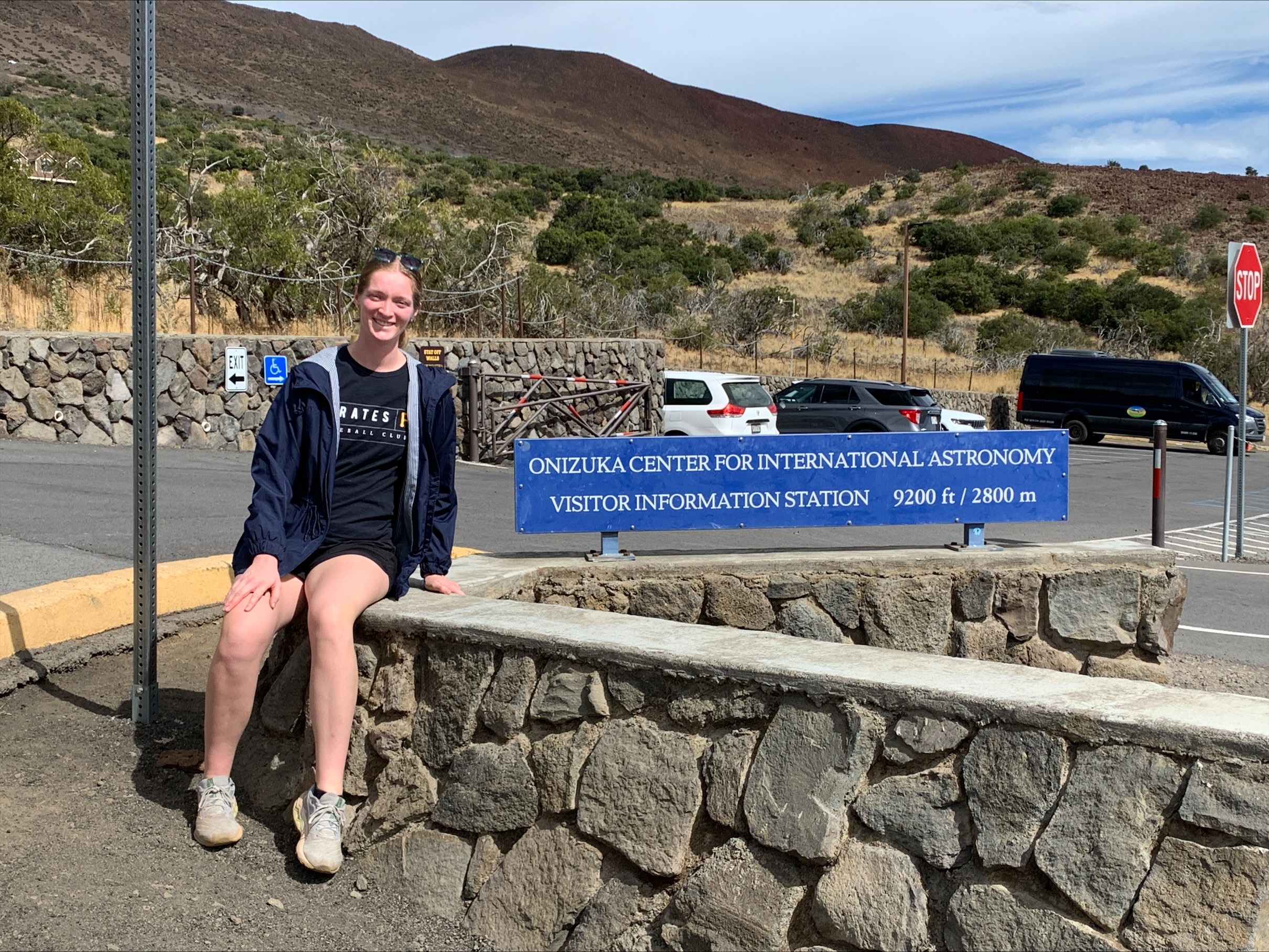
When Hannah Valenty graduated from Duquesne University in 2024 with a Bachelor of Science in physics, she didn't follow a traditional path into research, engineering or academia.
Instead, she took the skills she developed in Duquesne’s School of Science and Engineering and brought them to one of the most recognizable organizations in professional sports: the Pittsburgh Steelers.
Today, Valenty serves as an International Analyst Associate with the Steelers, applying data analysis, critical thinking and problem-solving skills developed through her physics education to help support the organization's global initiatives.
Her journey reflects an important lesson she learned at Duquesne: a STEM education can open doors far beyond traditional career paths.
Expanding Horizons Through Physics
For Valenty, one of the most valuable aspects of studying physics at Duquesne was discovering just how broad the field—and the opportunities connected to it—could be.
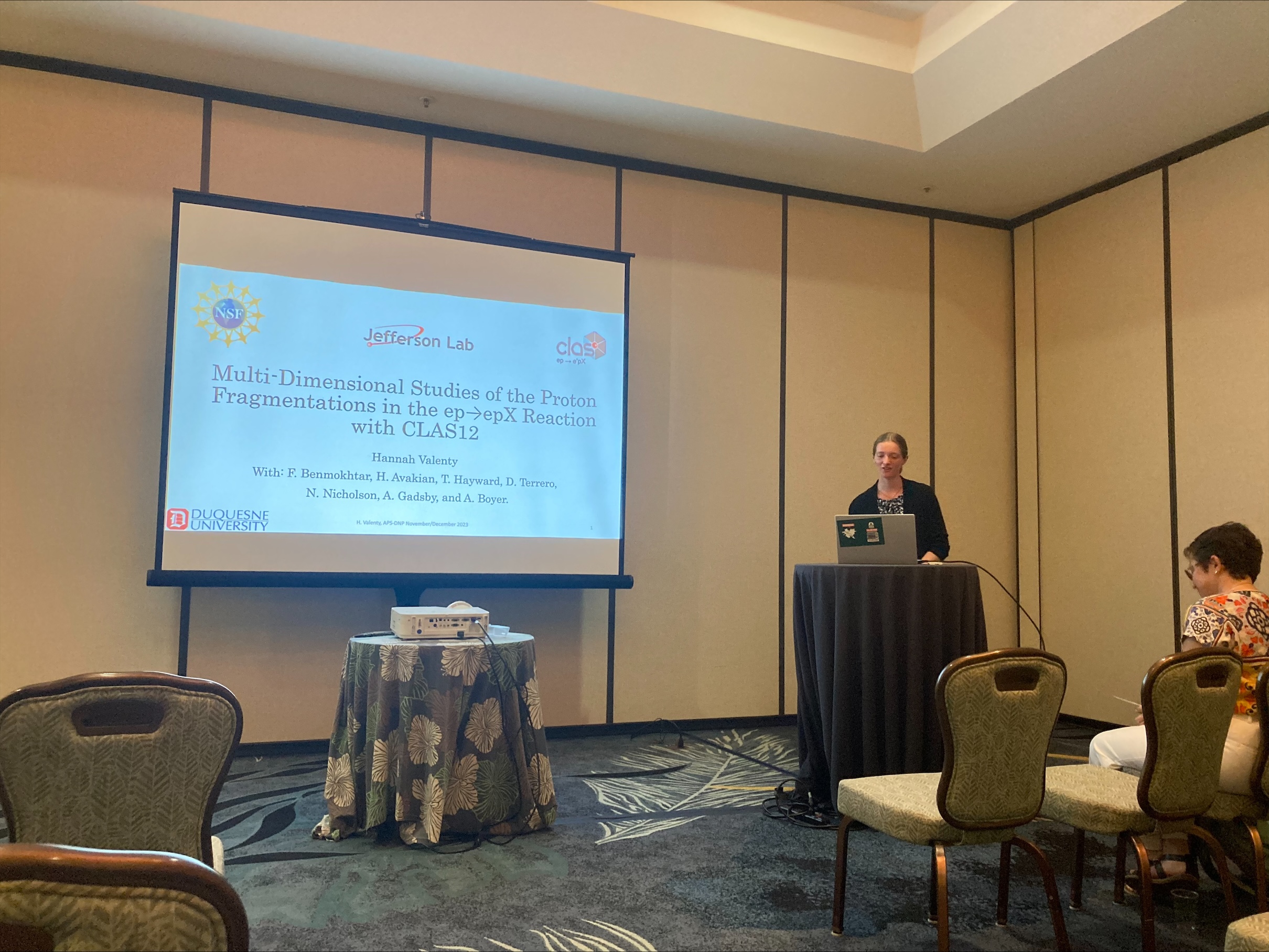
Through coursework spanning multiple areas of physics, she gained exposure to a variety of disciplines while developing a consistent set of analytical and problem-solving skills.
“Taking so many different physics classes opened my eyes to disciplines of physics I didn’t know existed when I began at Duquesne,” she said. “We were learning diverse subject matter, but using the same core skills to tackle theory and solve problems. Seeing how those skills applied across disciplines gave me confidence they would translate outside of physics as well.”
That realization expanded her understanding of what a career in science could look like. Rather than viewing physics as a pathway to a single profession, she saw it as a foundation for countless possibilities.
Learning Together
Valenty credits much of her confidence and professional growth to the supportive community she found within Duquesne’s Physics program.
Faculty members were invested not only in her academic success, but also in helping her navigate life after graduation.
“The faculty at Duquesne, regardless of whether I took one of their courses, were always willing to listen and provide direction. I knew they had my best interests in mind, and that helped build my confidence as I prepared for what came next.”
She also found encouragement from her classmates and peers.
“It was valuable to learn from upperclassmen and hear how they were thinking about their future plans,” she said. “My classmates and I supported one another through coursework, and we were able to lean on each other when making decisions about our careers.”
Those relationships created an environment where students learned not only from professors, but from one another—an experience that continues to influence how she collaborates and communicates in her professional role today.
Prepared for Anything
Although her current position is outside a traditional physics field, Valenty sees clear connections between her education and the work she does every day.
The technical skills she developed through coding, data analysis and scientific research remain important, but she believes the broader habits of mind gained through physics have been even more valuable.
“It’s easiest to see the coding and analysis skills I gained at Duquesne being applied to my current work,” she said. “However, the implicit skills gained from studying physics have been even more important. All industries need people who can think critically, solve problems creatively and work with persistence.”
Those abilities were strengthened through her undergraduate research experience in the laboratory of Dr. Fatiha Benmokhtar, where she worked on particle physics research.
“My research in Dr. Benmokhtar’s lab laid the foundation for the skills I use in my work today,” she said. “That was where I first became interested in data analysis and was challenged to solve problems I hadn’t encountered in the classroom.”
Working with real-world data and collaborating with scientists from laboratories around the world gave her firsthand experience tackling complex challenges while learning how to work as part of a larger team.
“My research experience gave me difficult problems to solve, but it also gave me the support of a mentor and research team. That combination prepared me for professional environments where collaboration and problem-solving go hand in hand.”
Opportunity Begins with a Strong Foundation
Valenty's path to professional sports demonstrates the versatility of a STEM education and the opportunities available to students willing to think beyond traditional career boundaries.
For current students considering careers outside the expected paths associated with their majors, she encourages them to embrace the strengths their education provides.
“For any students looking to pivot from STEM into sports or another unexpected industry, I say go for it,” she said. “You are learning how to solve rigorous and complex problems and building a foundation of skills that can be applied anywhere.”
She believes students with STEM backgrounds often bring valuable perspectives to organizations that may not traditionally recruit scientists.
“When applying to jobs outside your traditional background, use that to your advantage,” she said. “Having an academic perspective that is different from your career field gives you a new way of looking at old problems.”
A Foundation for the Future
Looking back, Valenty sees Duquesne as a place that prepared her not just for a specific career, but for a lifetime of learning, adapting and solving problems.
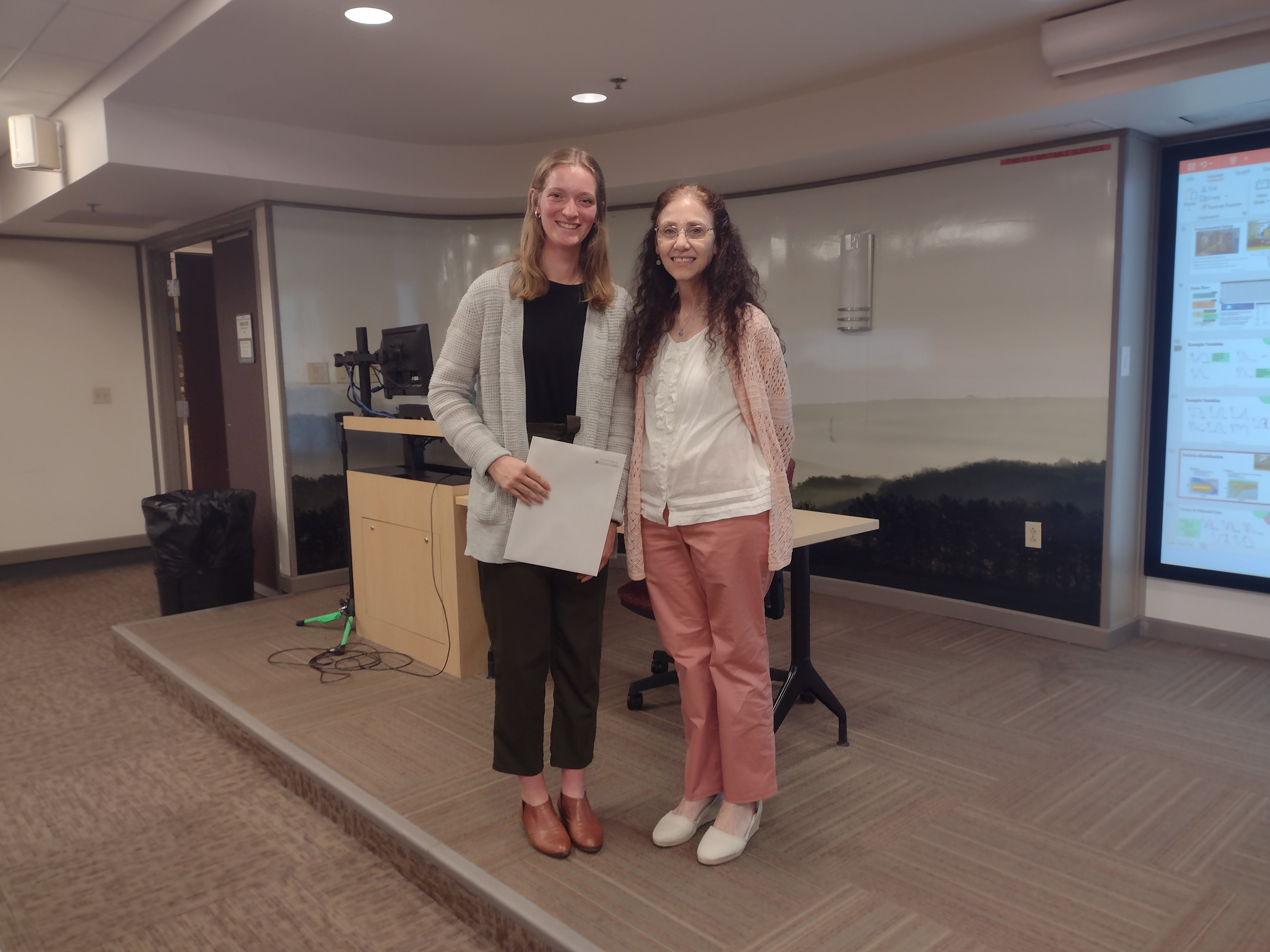
Through rigorous coursework, hands-on research and a supportive community of faculty and peers, she developed the confidence to pursue opportunities beyond conventional expectations.
Her journey from physics student to Pittsburgh Steelers analyst demonstrates the power of a Duquesne education: preparing graduates to apply their knowledge in meaningful ways, wherever their passions lead.
For Valenty, physics wasn't simply a major—it was the foundation that opened the door to a career she never imagined when she first arrived on campus.
News Information