

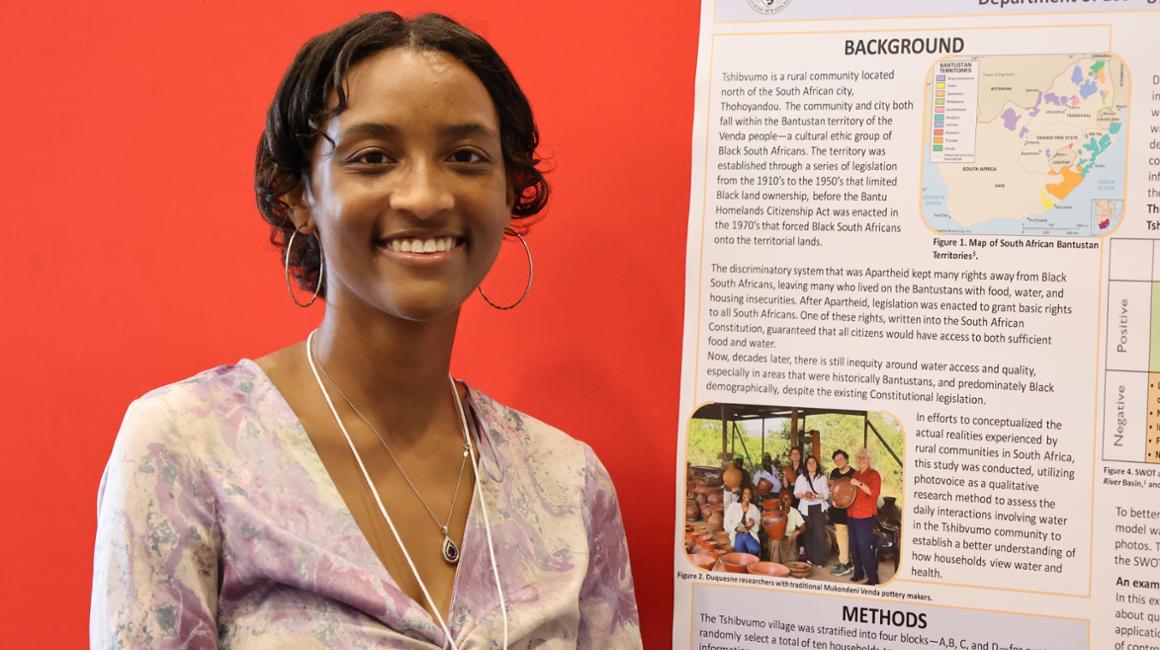
Environmental Studies
The Bachelor of Arts (BA) in Environmental Studies is a degree program that prepares you for careers in environmental management and related fields. The program includes courses in both the natural and social sciences and educates students on geographic information systems to evaluate environmental issues. As a student in our program, you will have access to research and internship opportunities that provide practical experience and networking opportunities. These internships, coupled with our emphasis on fieldwork and research, will equip you with the skills necessary to excel in a variety of environmental careers such as law, public policy, urban and regional planning, environmental management and green technology development.
Program Information
The BA in Environmental Studies program offers a curriculum designed to foster interdisciplinary learning and provide a holistic understanding of environmental issues.
Program Type
Major
Degree
Bachelor's
Academic Department
Environmental Science and Management
Duration
4-years
Required Credit Hours
127
Gain the skills and knowledge to lead in policy, conservation and sustainable development.
As a student in the environmental studies program, you'll collaborate with faculty
on scientific research, contributing to significant scientific goals and often co-authoring
publications in leading journals like the Journal of Environmental Management, the
Journal of Cleaner Production and the Environmental Impact Assessment Review. You can explore your interests through approximately 14 clubs and organizations, which
are open to science and engineering majors. These options include joining the Biomedical
Engineering Society, the Society of Women Engineers and the Multicultural STEM Group,
among others, to connect with like-minded peers and pursue your passions. Duquesne University is nestled in the heart of Pittsburgh, a city with 90 diverse
neighborhoods where everyone can be themselves. Repeatedly ranked among the most livable
cities, Pittsburgh offers a vibrant mix of opportunities just a few blocks from campus,
including Fortune 500 companies, nonprofit organizations, and startups for work —
and three major league sports teams for play!It's Time For Bigger Goals!
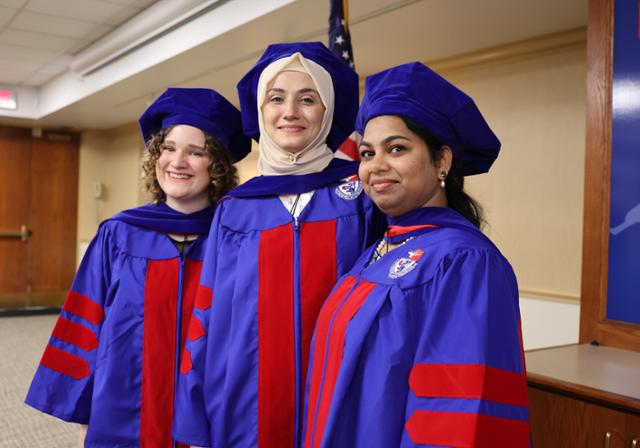
Graduate Program (ESM)
Featured content
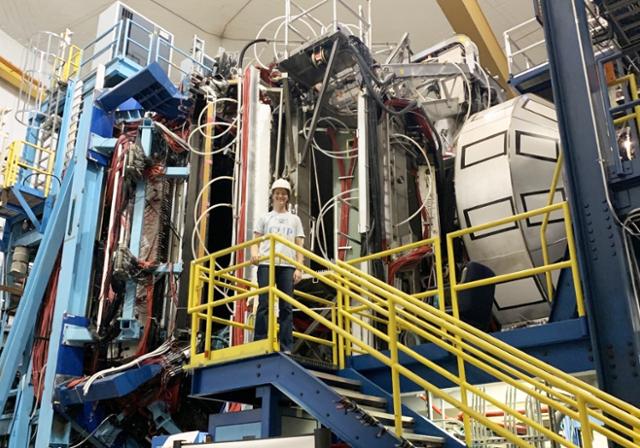
Get Hands-On Research Experience

Find Your Community

Study in a Dynamic and Thriving Location
These are the course offerings for the Bachelor of Arts in Environmental Studies.
Please note that undergraduate research is highly encouraged. Our department recognizes
the value of research and the significant contributions it can make to the scientific
community; therefore, we provide ample opportunities for students to engage in research
projects. Contact me, your Enrollment Coordinator, to get started on your academic path.Course Offerings
I Can Help You Reach Your Bigger Goals!