
With eight departments and abundant undergraduate opportunities, the School of Science and Engineering is a dynamic hub for discoveries that positively impact society, strengthened by strong local and global partnerships. In this environment, students work alongside faculty on fundamental research and broader scientific goals, often contributing to publications in leading journals such as the Journal of Biological Chemistry, Scientific Reports, the Journal of the American Chemical Society (JACS) and the Journal of Engineering.
Research Experience Leads to Prestigious NSF Fellowship
Duquesne University alumnus Jackson Jewell (S’25) has been awarded the National Science Foundation Graduate Research Fellowship (NSF GRFP), one of the nation’s most prestigious awards supporting graduate students pursuing research-based STEM degrees.
Jackson earned his B.S. in Biomedical Engineering in 2025, with minors in Mathematics and Computer Science, and is now pursuing a Ph.D. in Bioengineering at Northeastern University. The fellowship provides three years of financial support and professional development.
As an undergraduate at Duquesne, Jackson gained four years of research experience in the laboratories of Dr. Melikhan Tanyeri and Dr. Rana Zakerzadeh. His work spanned biomimetic cardiac bioreactors, microfluidic devices, bacterial trapping technologies and flexible strain sensors. He also led a collaborative project developing flexible strain biosensors, presenting his research at regional and national conferences.
Jackson credits Duquesne’s Biomedical Engineering faculty with providing personalized mentorship that strengthened his technical, communication and research skills and prepared him for graduate study.
Today, his doctoral research focuses on biomaterials, microfluidic systems and bioelectronic interfaces with the goal of developing technologies that improve patient care. Jackson says his Duquesne research experiences gave him the confidence and skills to pursue a career bridging engineering and clinical care.

From Duquesne Research to an NSF Fellowship
Student Publications
Explore some of the current research projects that have led to these student publications.
Work Alongside World-Class Researchers
Biomedical Engineering
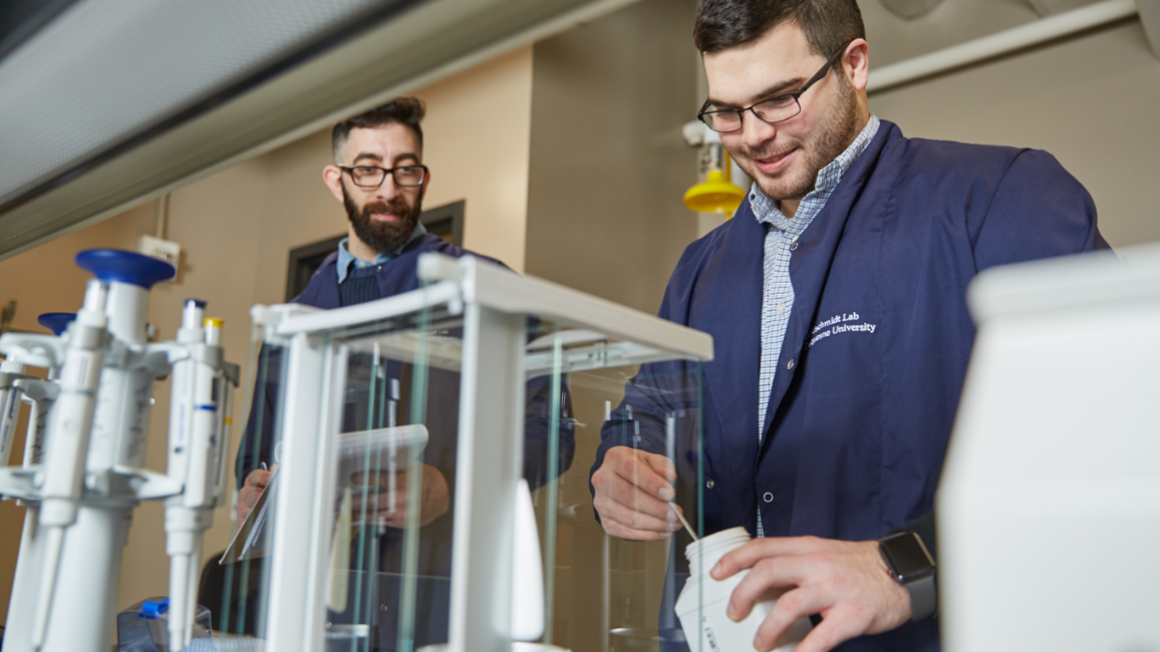
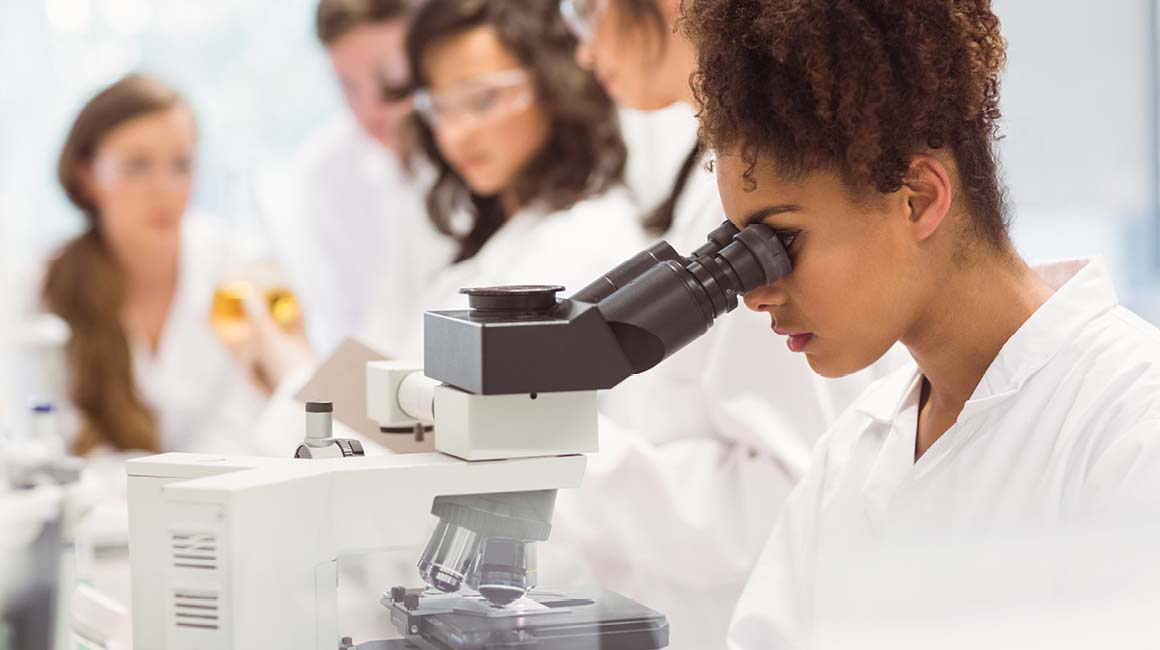
Biomedical Engineering faculty are spearheading research in various areas including biomedical microdevices, micro/nanosystems for biology and medicine, microfluidics, bioMEMS/NEMS, in vitro diagnostics, lab-on-a-chip, biosensors, detection and manipulation techniques for biomolecules, cells, and microorganisms, microfabrication, soft lithography, micropatterning, superresolution imaging, fluorescence spectroscopy, biomaterials, tissue engineering, and more.
Biotechnology
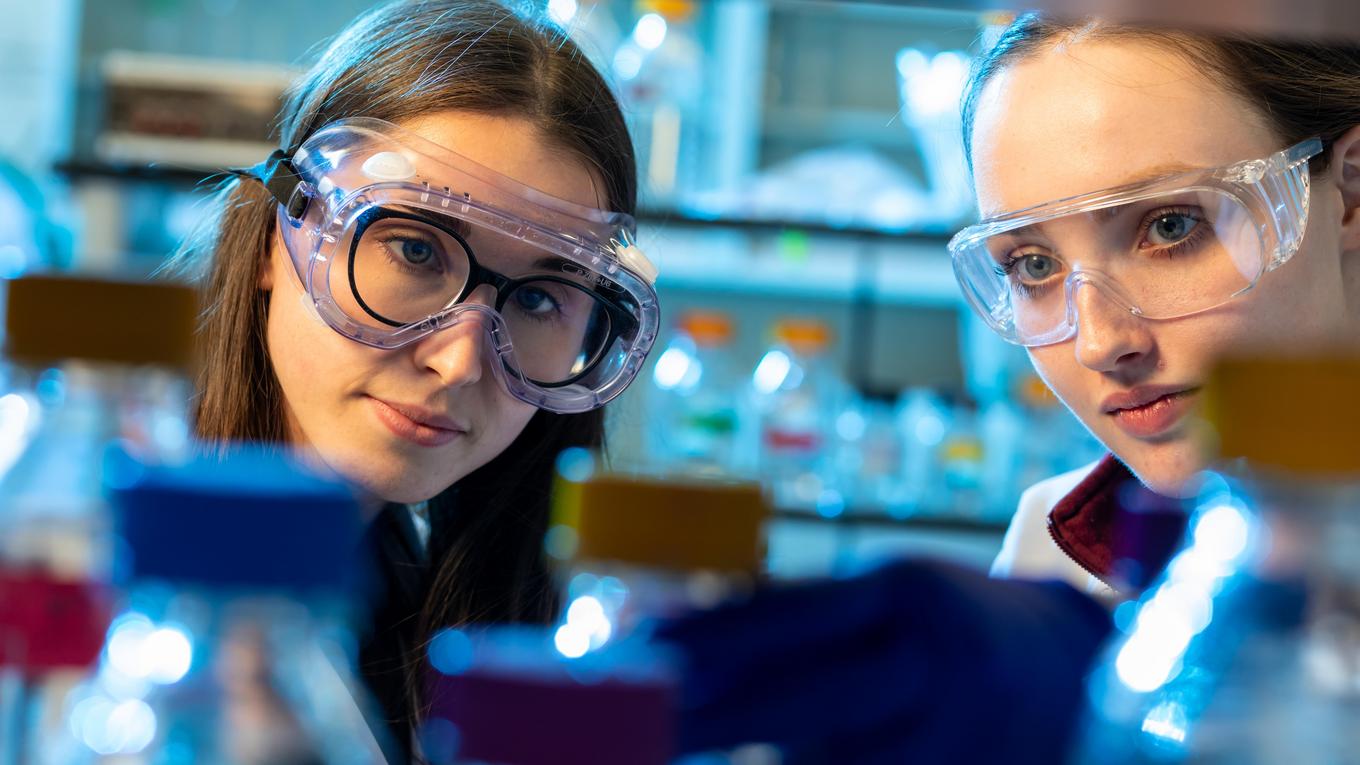
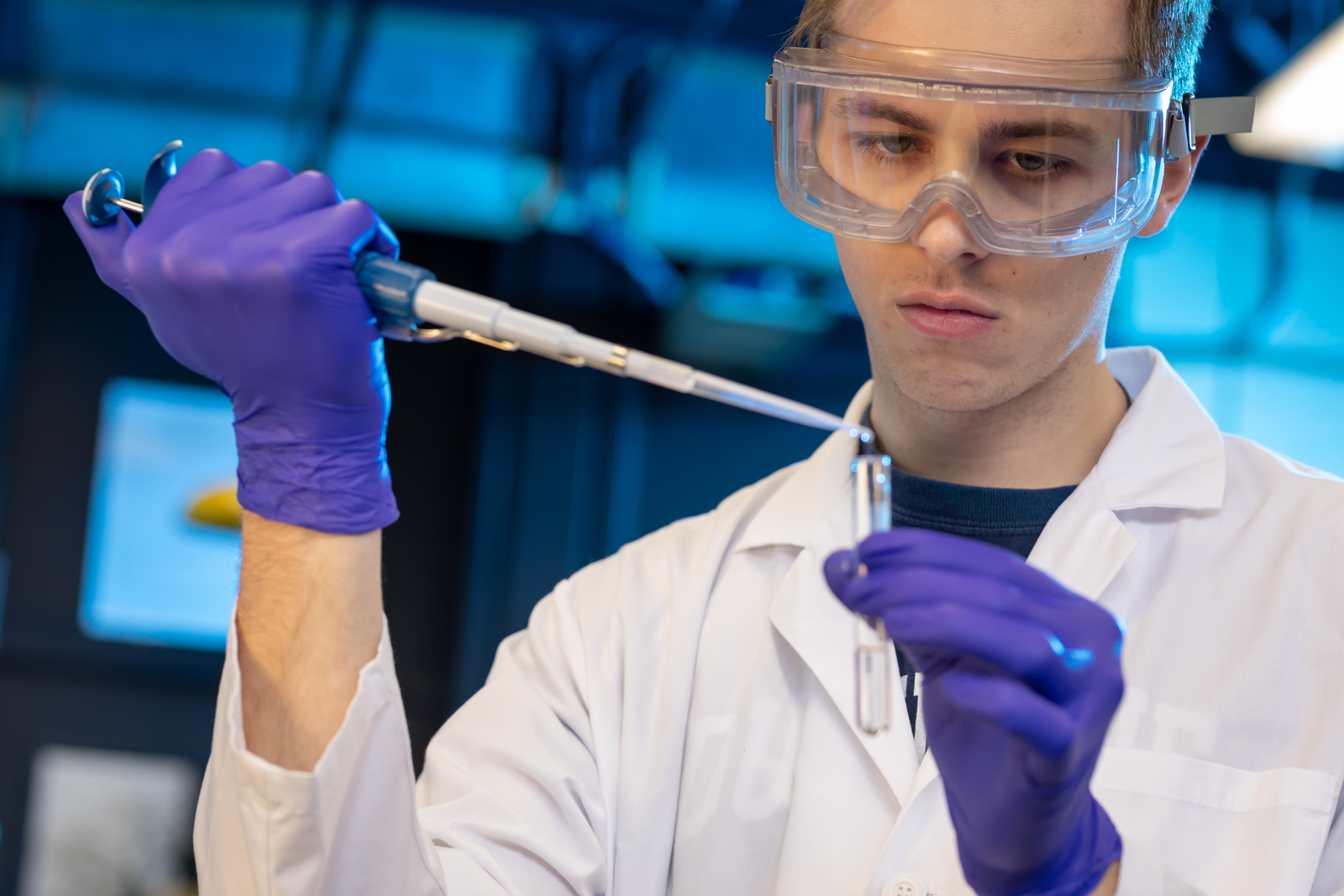
Gain practical experience in laboratory techniques encompassing design, data analysis, and advanced biotechnological methodologies. Engage in pioneering research spanning molecular biology, immunology, and drug development.
Biological Sciences
At the Department of Biological Sciences, our faculty prioritize both top-tier educational experiences and excellence in research. Here, you'll have the opportunity to participate in research with faculty whose interests represent the spectrum of modern biological sciences, including cell and molecular biology, microbial biology, physiology and organismal biology, ecology and evolutionary biology.
Chemistry and Biochemistry
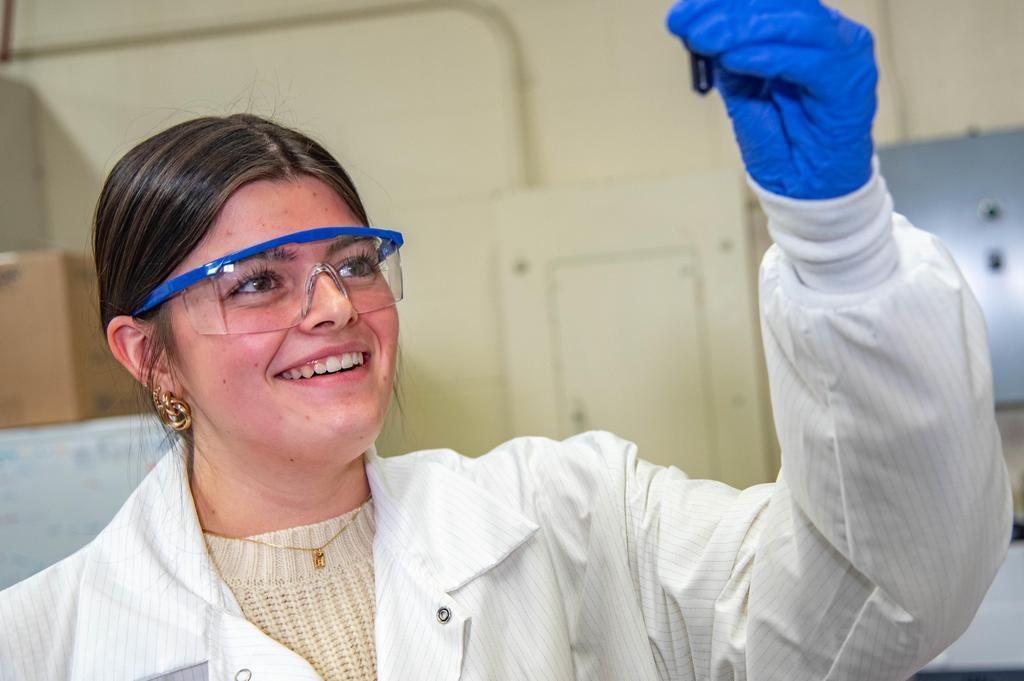
Over the past decade, substantial external research funding has paved the way for Chemistry and Biochemistry faculty and students to engage in extensive research pursuits. Within this vibrant environment, you'll have abundant opportunities to explore diverse and interdisciplinary areas, spanning biochemistry, organic chemistry, physical chemistry, environmental chemistry, inorganic chemistry, analytical chemistry, and biophysical chemistry. Gain practical experience in laboratory techniques encompassing design, data analysis, and advanced biotechnological methodologies. Engage in pioneering research spanning molecular biology, immunology, and drug development.
Civil and Environmental Engineering and Science
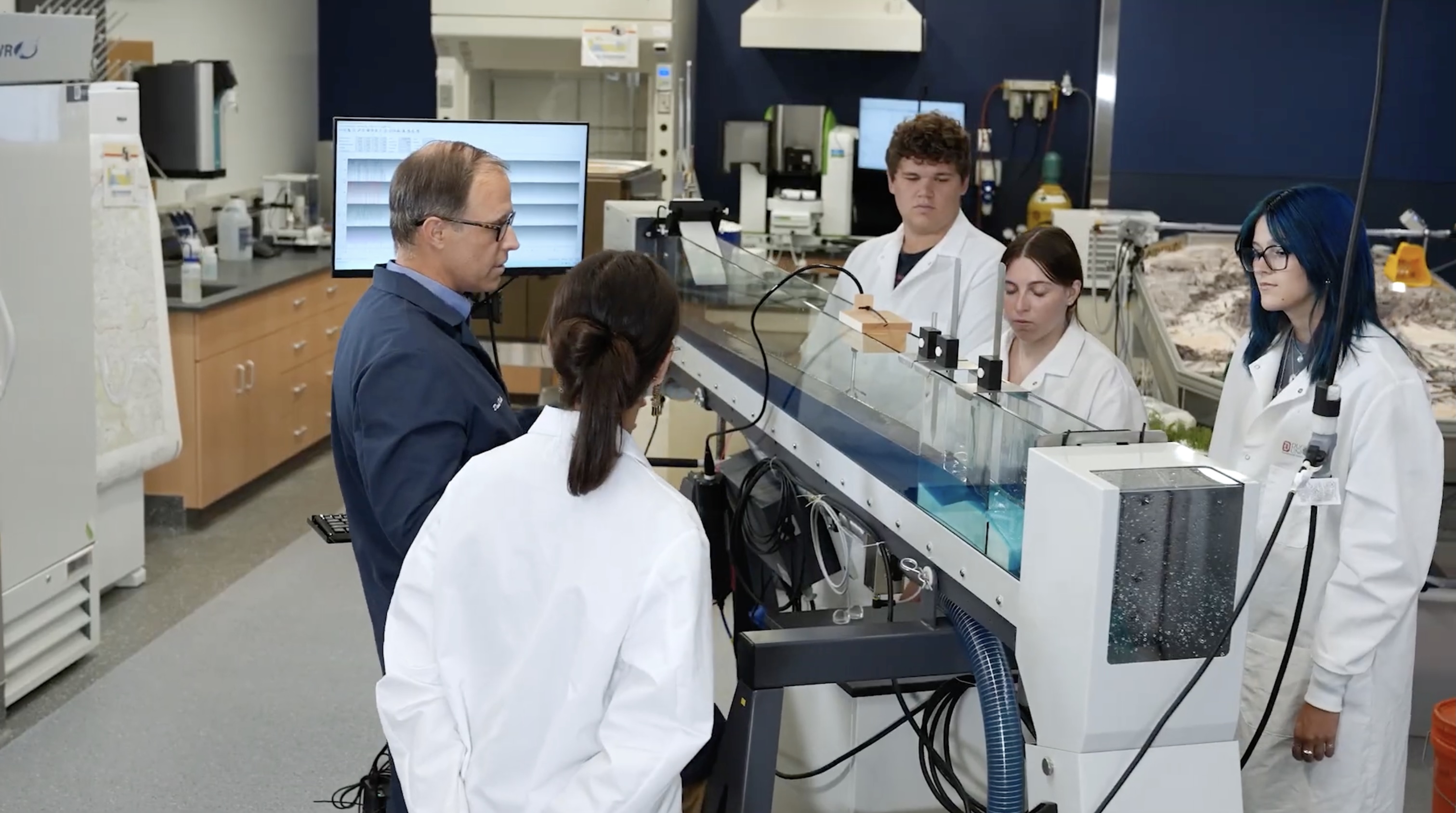
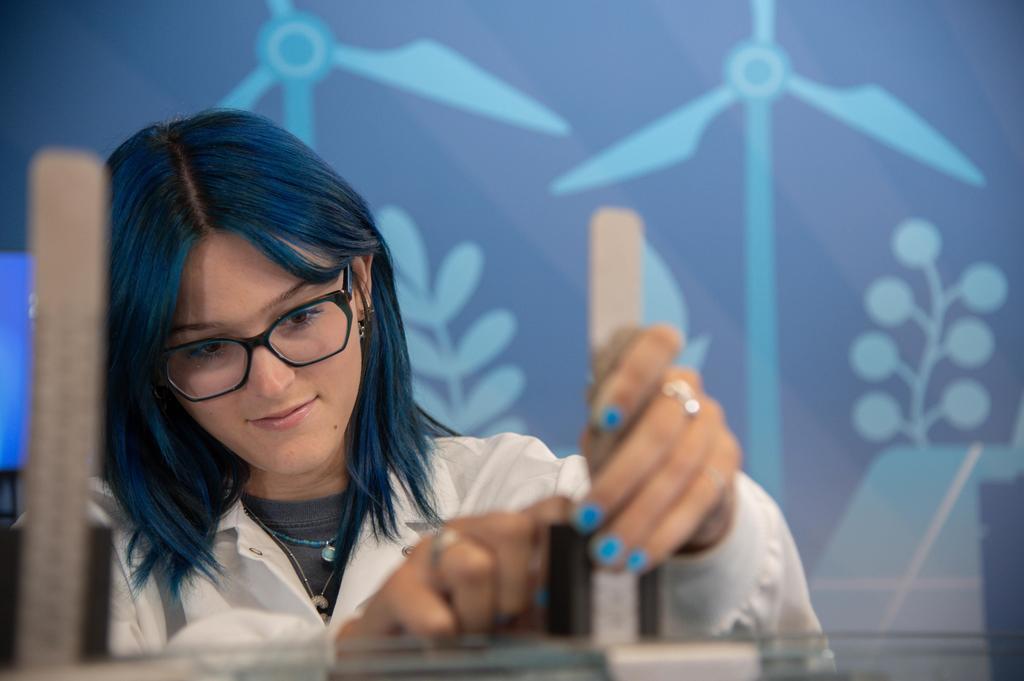
As a Civil and Environmental Engineering and Science student, you'll actively engage in researching pressing environmental concerns of our time. Explore topics such as greenhouse gas emissions and sustainability, hydrogeology and water management, air and water pollution control, waste management, conservation biology, environmental policy, and shale gas extraction.
Forensic Science and Law
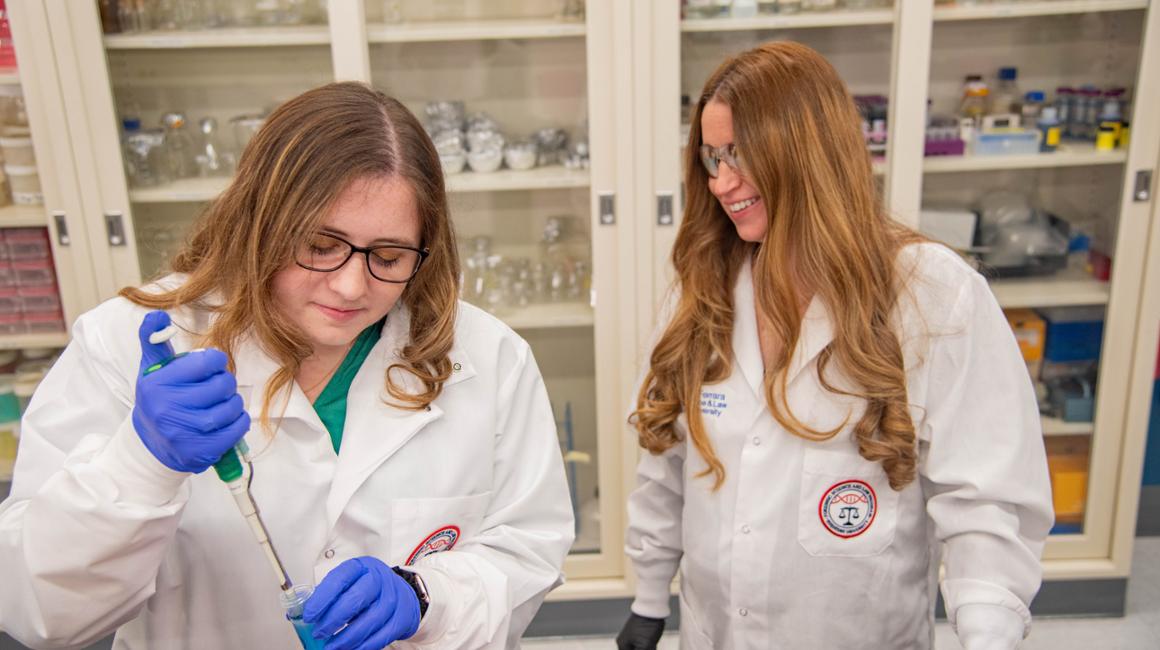
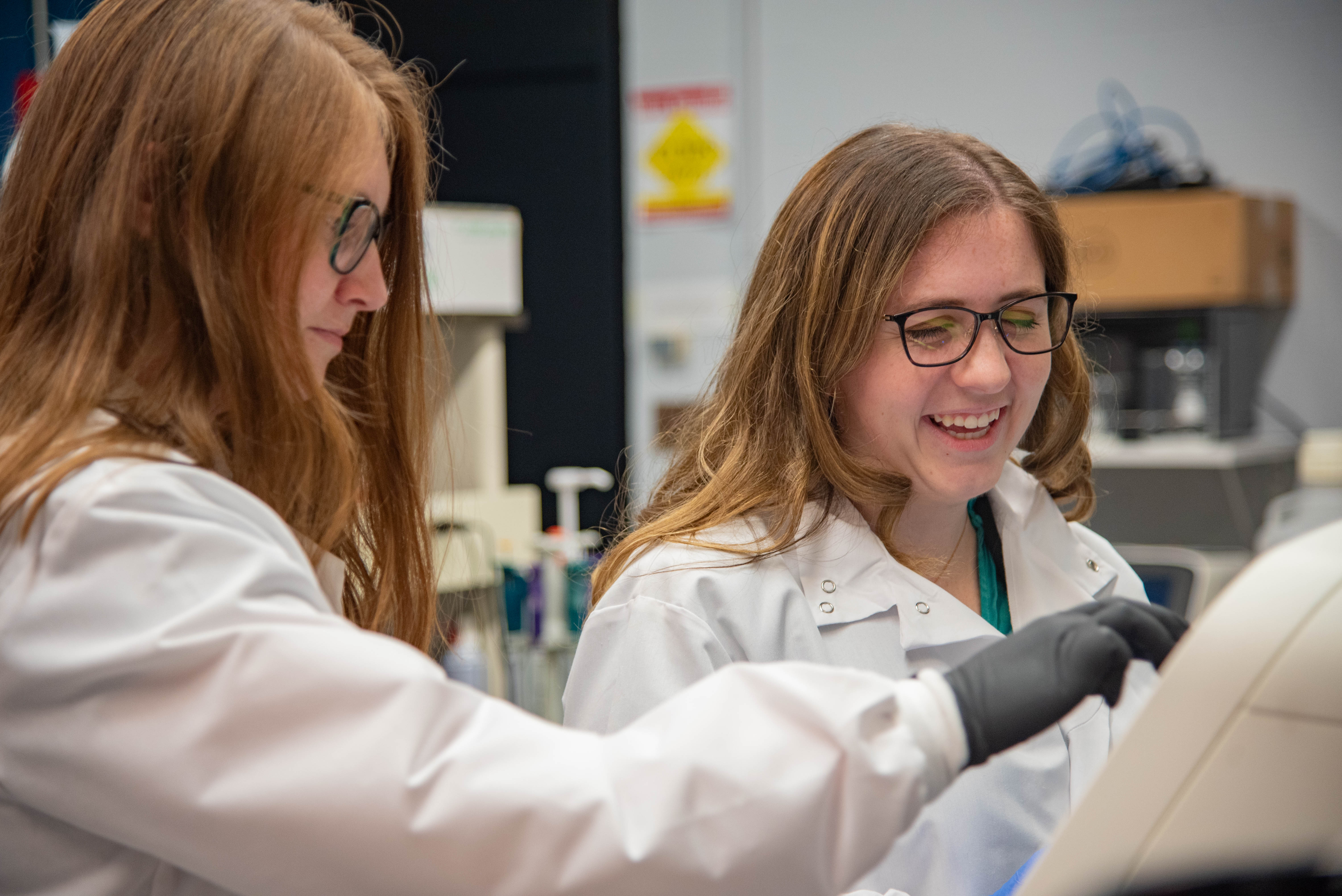
As a student in Forensic Science and Law, you'll have the opportunity to dive into a multitude of forensic science disciplines and techniques tailored to your interests. From investigating crime scenes and analyzing forensic toxicology to delving into DNA analysis and forensic pathology. Faculty members specialize in various research areas, such as DNA analysis and interpretation, sexual assault and violence cases, and investigations involving fire and explosives. Engaging in research is not just encouraged—it's a requirement for majors, and the department offers financial support for your projects.
Mathematics and Computer Science
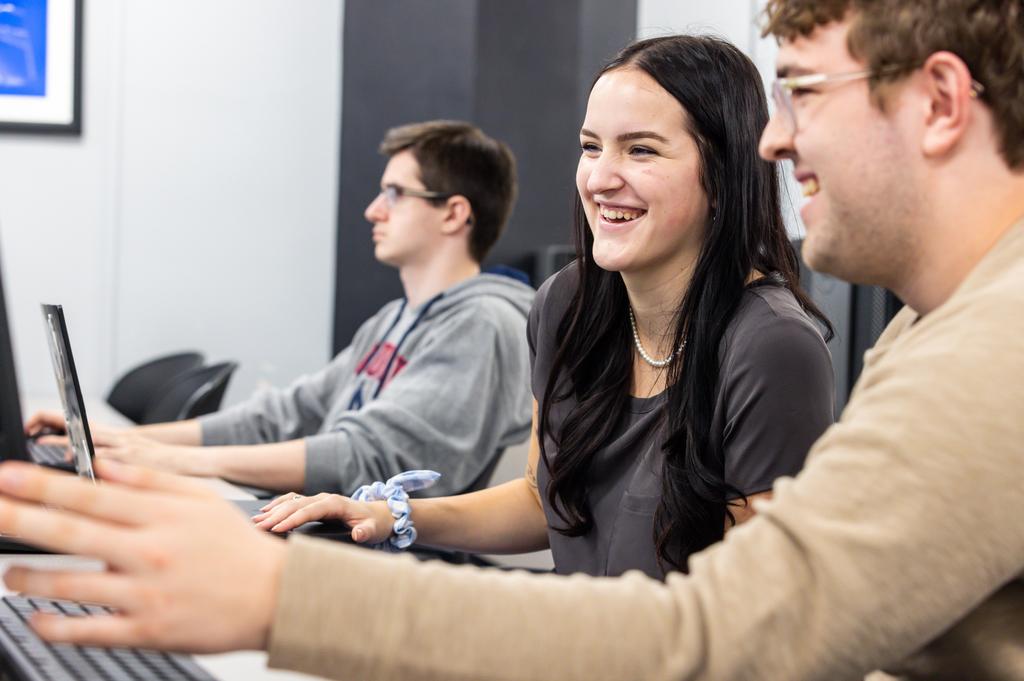
In the Department of Mathematics and Computer Science, you're at the forefront of active research areas such as natural language processing, computational learning theory, mathematical modeling, computational neuroscience, statistical genomics, topology, and representation theory. Undergraduate and graduate students are encouraged to pursue research opportunities and have the chance to present their research findings at regional, national and international conferences.
Mechanical Engineering
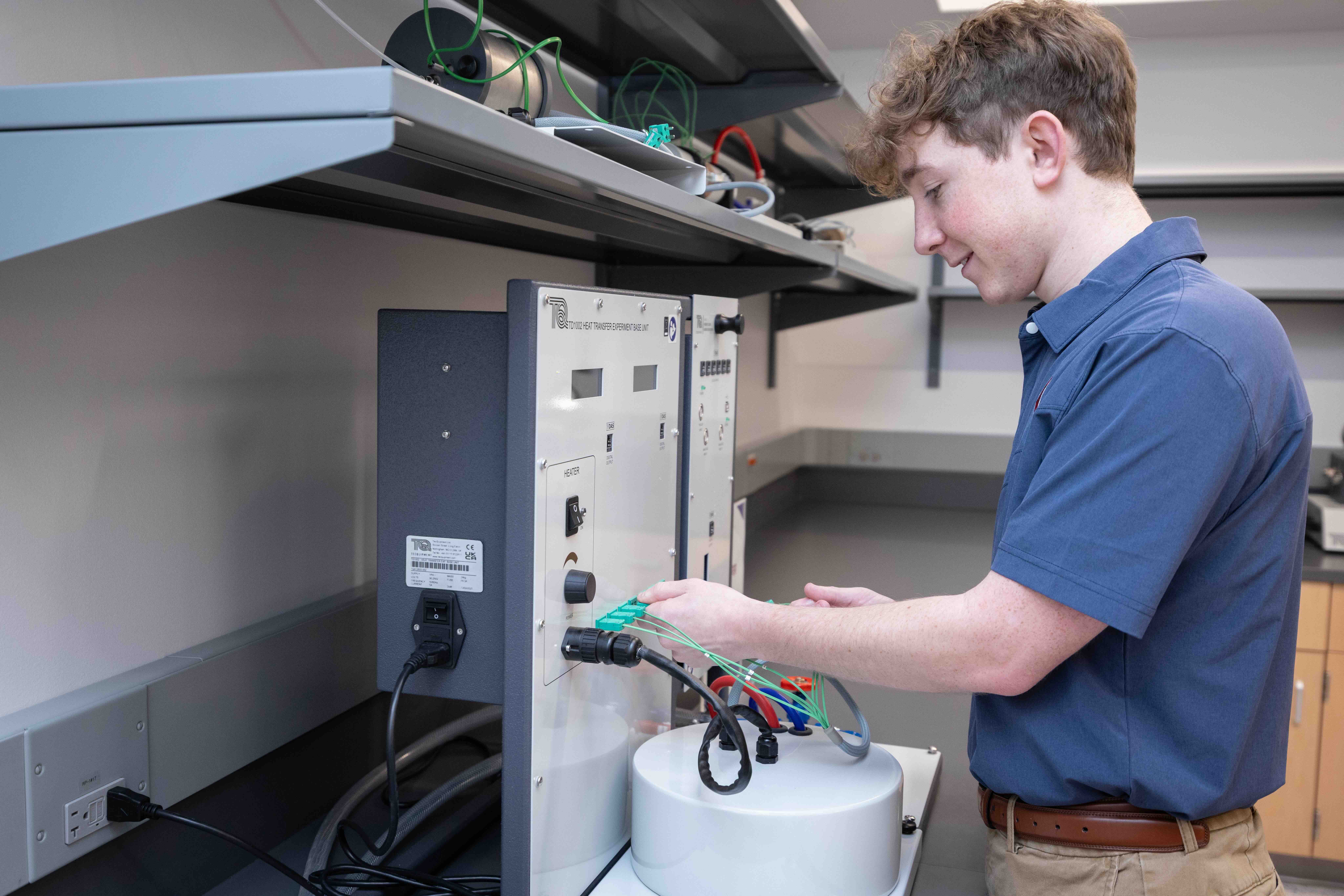
Explore research opportunities that put you at the forefront of mechanical engineering innovation. You’ll work alongside faculty on real-world projects, using state-of-the-art equipment in brand-new laboratories to test ideas, analyze data and develop solutions—whether you’re prototyping designs, studying fluid dynamics or advancing new technologies.
Physics
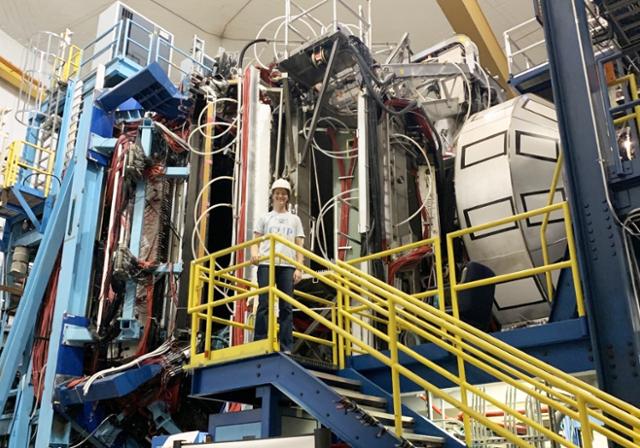
As a student in the Physics department, you will explore diverse areas such as experimental nuclear physics, materials science, and laser physics, all with real-world applications. The department's facilities provide the resources needed to dive deep into research on materials and laser physics, allowing you to innovate and discover. Moreover, our nuclear physics program collaborates with prestigious institutions like the Thomas Jefferson National Accelerator Facility and other leading particle accelerators worldwide. Whether working with local partners or engaging in global collaborations, you will contribute to projects that shape the future of science. As an undergraduate assistant, you will play an active role in supporting research programs as a coauthor in respected academic publications.
Students Talk About Research Inside The Lab