Research Opportunities

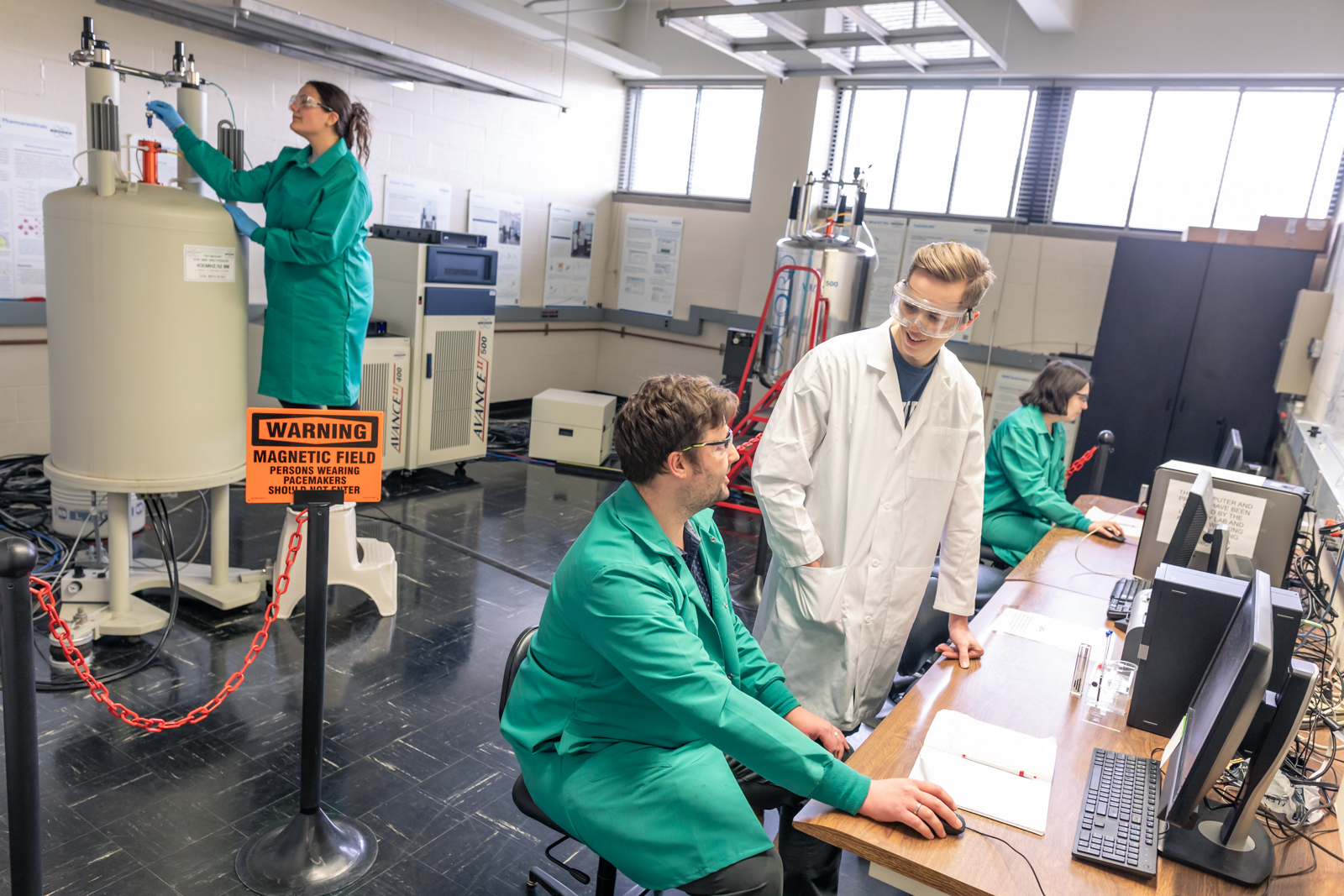
Research is one of the most rewarding parts of the undergraduate experience. Our students work with advanced instrumentation and techniques that go beyond standard laboratory courses, bringing concepts from lectures to life through real-world applications. For those considering graduate studies, research offers the chance to collaborate with graduate students, postdoctoral associates and world-class faculty while gaining firsthand experience with graduate-level work. Many of our undergraduates coauthor peer-reviewed publications and present their findings at local, national and international conferences.

From Our Goldwater Scholars

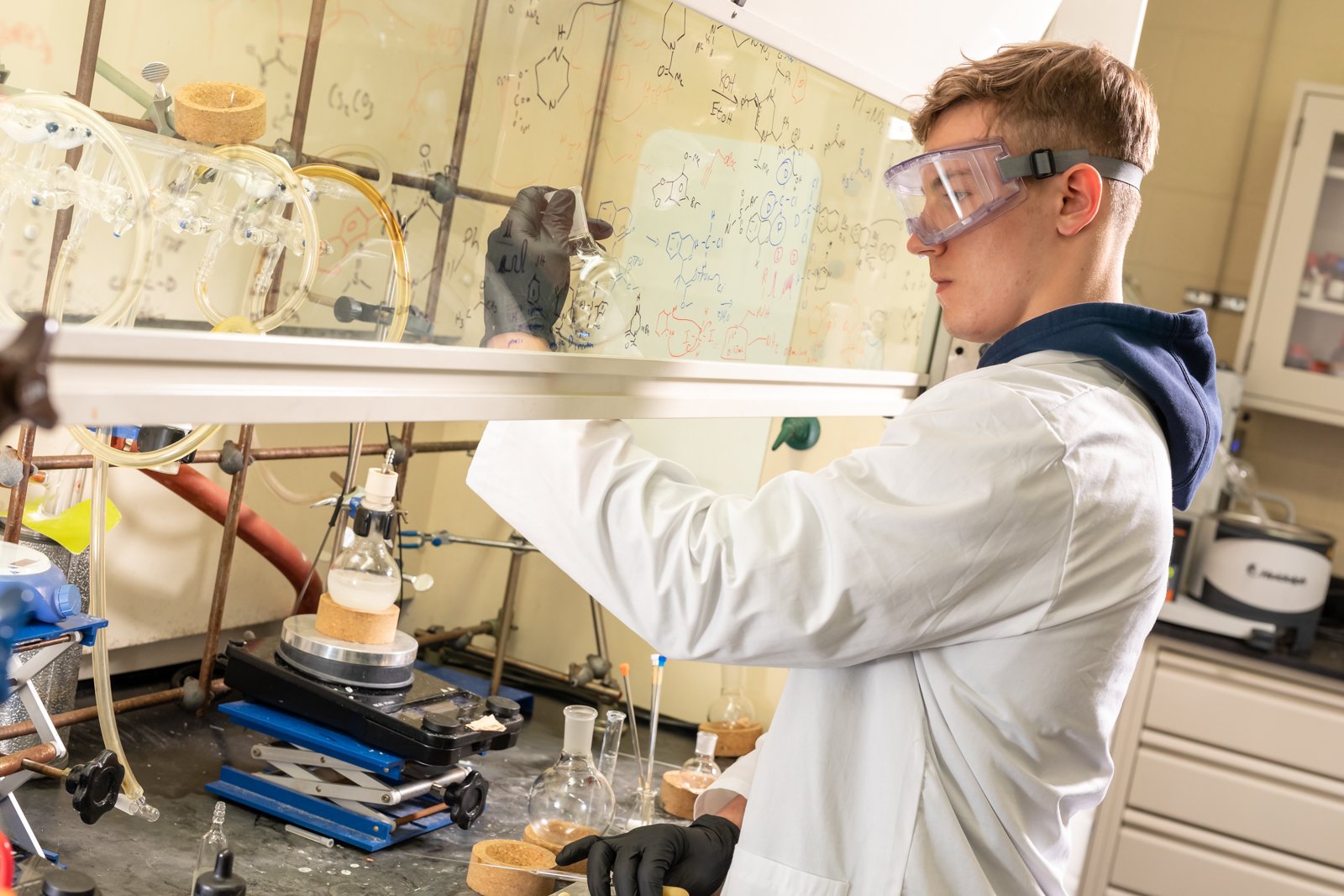
a female in a white coat with goggles

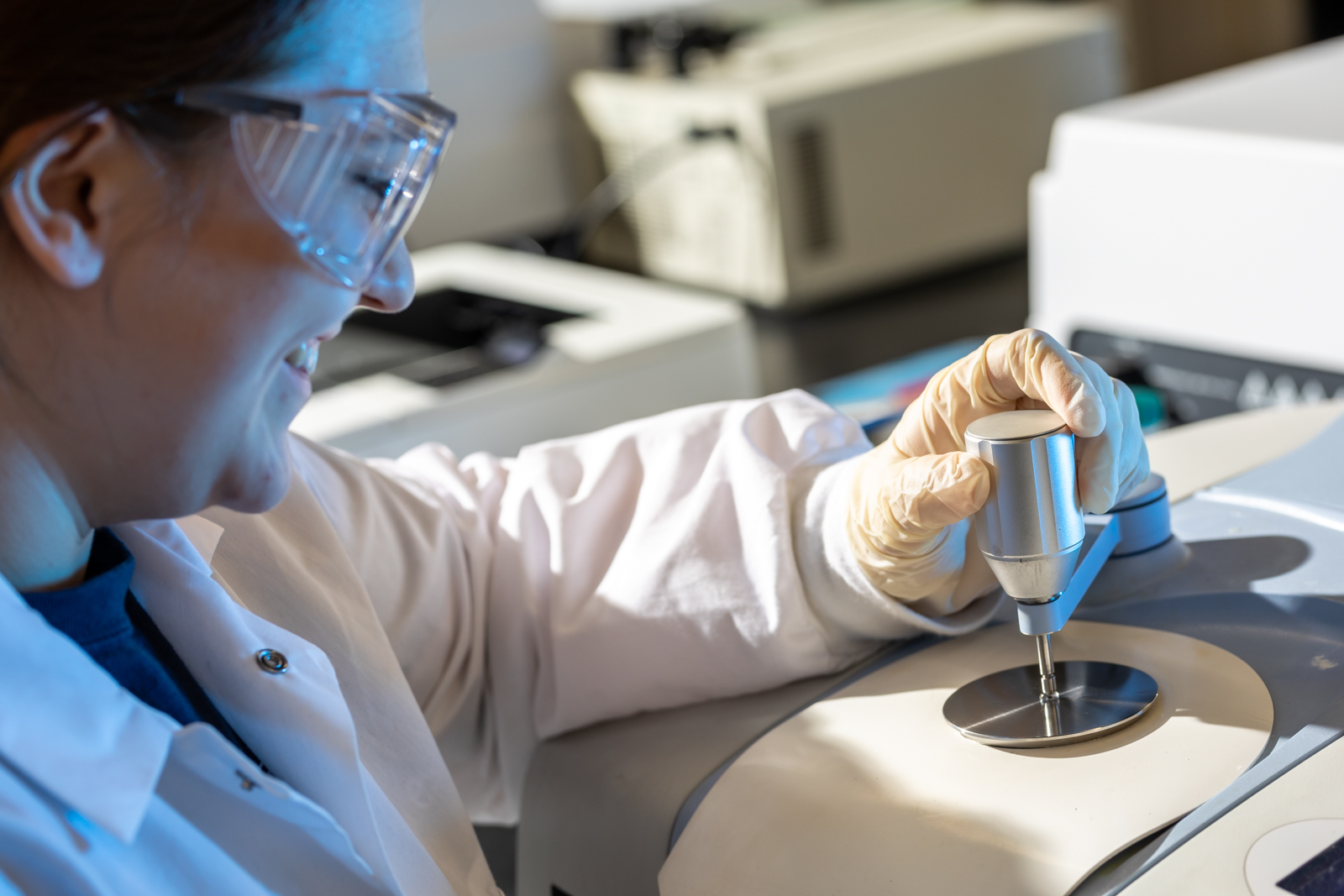
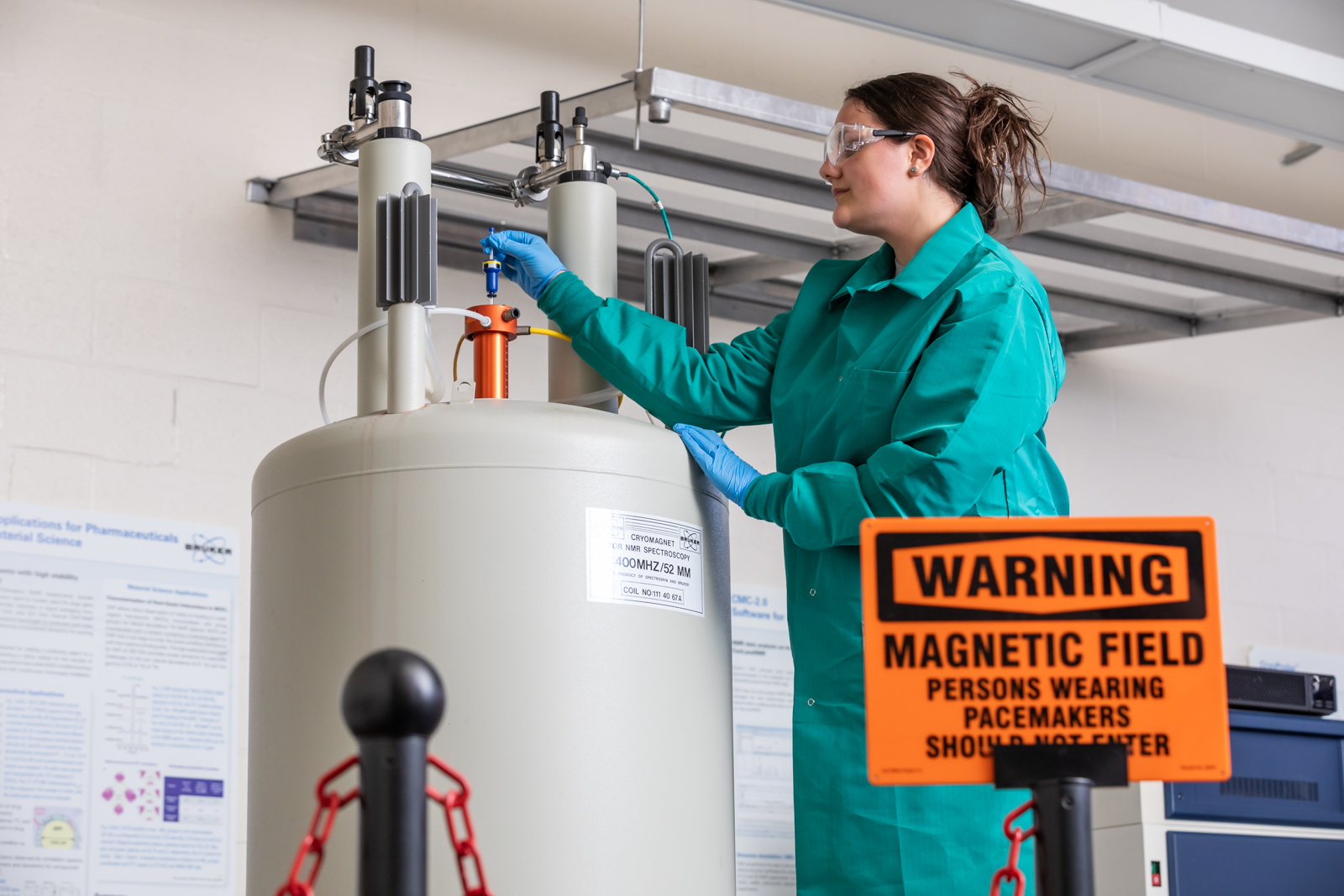
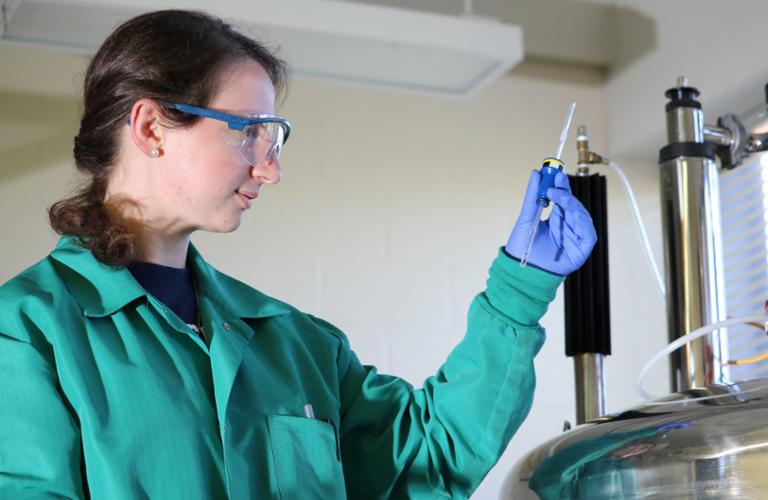
“Here, I can run the machine myself. I’m able to operate the Nuclear Magnetic Resonance (NMR) machine, which helps to determine the molecular structure of samples.”

Abbigail Black, 2026 Goldwater Scholar B.S. Biochemistry '27
Hear From Abbigail
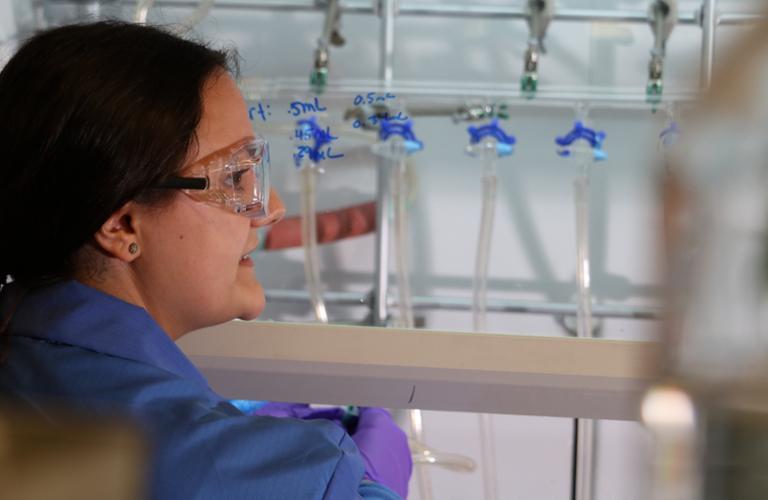
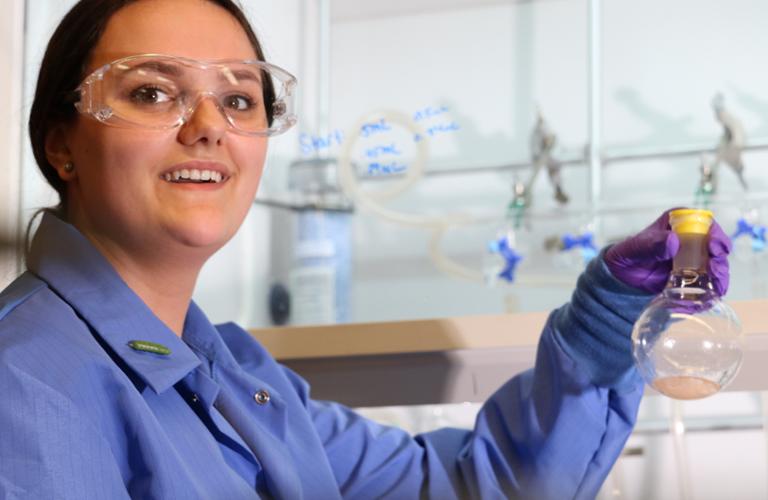
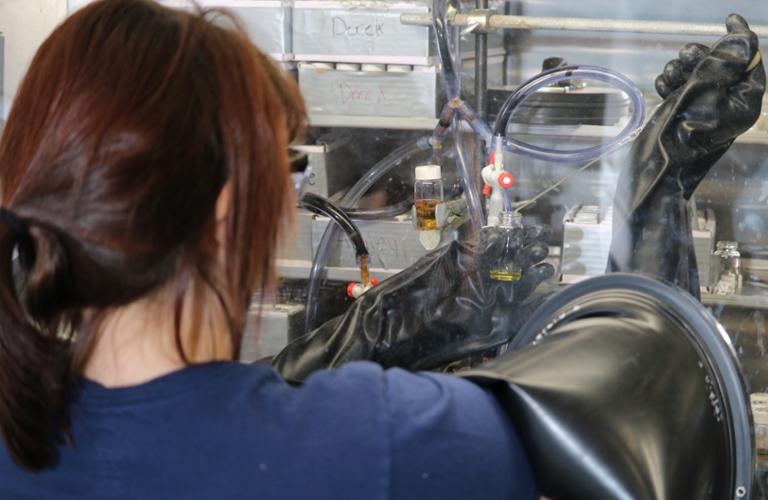
A picture of a girl in a glovebox, smiling

“Managing my own research and mentoring younger students has shaped me as a scientist and a leader. Duquesne gave me the opportunities to grow—and now I get to inspire the next generation of researchers.”

Alayna Funke, 2025 Goldwater Scholar President, Duquesne ACS Chapter, BS Chemistry '26
Alayna Shares Her Experience
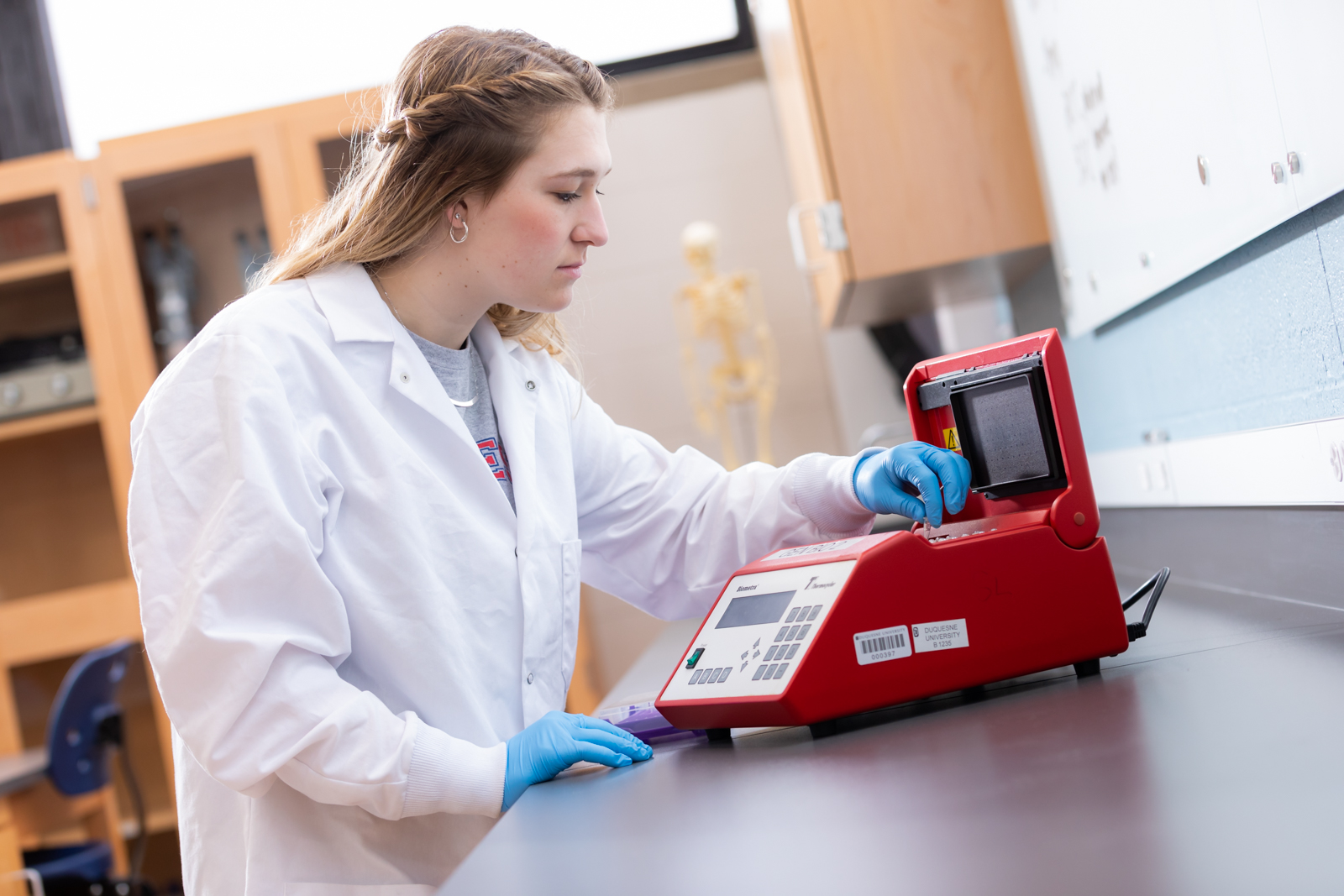
a girl standing in front of a poster

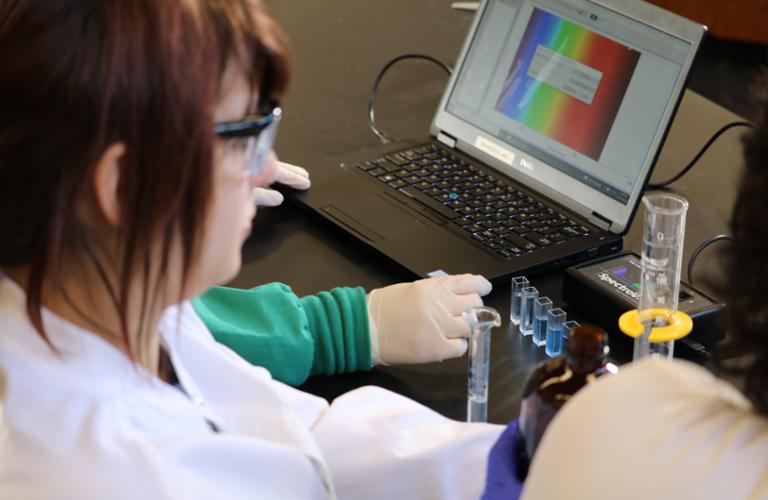
“The class size creates an intimate learning environment where, if you do struggle, the professors are there for you. That’s the differentiator between Duquesne and a large school—it’s very much a one-on-one learning experience.”

Trista Newman, 2025 Goldwater Scholar Vice President, Duquesne ACS Chapter, B.S. Biochemistry ’26
Listen To Trista

Real Stories. Real Research.


Inside the Student Research Experience

Students share how Duquesne shaped their scientific skills, inspired their research journeys, and prepared them for what's next.

Listen To Their Stories

Our Students, Their Science

Hear how our students fuel their passion for research, grow through hands-on mentorship, and prepare for meaningful futures in science.

Watch the Videos

Student Publications

These are just some of the research opportunities available to you.

Molecule Synthesis Breakthroughs

Alex Cocolas, Aiden Lane, Ben Musiak, Eric Chartier, Derek Bedillion, and Sarah Hejnosz have developed an innovative technique for the precise and efficient synthesis of complex molecules. Their research details a novel method for producing 43 distinct variants of 7-azanorbornanes. This approach utilizes specialized chemical compounds known as tertiary amine N-oxides and involves the substitution of alkenes, which are hydrocarbons with double bonds.

Advancing Uranium Chemistry

Samuel Lenze and Justin Terhorst's publication,"Creation of Gas-Phase Organo-Uranium Species by Removal of 'yl' Oxo Ligands from UO₂²⁺ Carboxylate Precursor Ions" focuses on uranium chemistry, how uranium ions can be manipulated and studied in controlled environments. By breaking down these ions, they're discovering new insights into uranium's reactions and properties, contributing to advancements in nuclear science.

Mapping Protein Structures

Rathna Veeramachaneni, Chelsee Donelan, and Kayce Tomcho developed a method to map structural linkages in the human α1 glycine receptor (α1 GlyR), a protein essential for nerve cell communication. Using a reactive site, chemical linkers, and UV light, their work provides new insights into the protein's structure within cell membranes.

Decoding COVID-19

Caleb Frye and Caylee Cunningham's publication, "Characterization of the SARS-CoV-2 Genome 3′-Untranslated Region Interactions with Host MicroRNAs" explores how the COVID-19 virus may manipulate our cellular mechanisms to better understand how it causes illness and how we can develop new treatments to combat it.

Research Faculty

Our labs provide hands-on experience in experimental design, data analysis and advanced biotechnological methodologies, with research spanning molecular biology, immunology and drug development.

Jennifer Aitken, Ph.D.

Jennifer Aitken, Ph.D.

Inorganic Chemistry

Michael Cascio, Ph.D.

Michael Cascio, Ph.D.

Biochemistry

Jeffrey Evanseck, Ph.D.

Jeffrey Evanseck, Ph.D.

Biophysical, Computational, Organic and Physical Chemistry

Ellen Gawalt, Ph.D.

Ellen Gawalt, Ph.D.

Materials Chemistry

David Heisler, Ph.D.

David Heisler, Ph.D.

Biochemistry

Paul Lummis, Ph.D.

Paul Lummis, Ph.D.

Inorganic Chemistry

Mihaela Rita Mihailescu, Ph.D.

Mihaela Rita Mihailescu, Ph.D.

Biochemistry and Biophysical Chemistry

Thomas Montgomery, Ph.D.

Thomas Montgomery, Ph.D.

Organic Chemistry

Michael Van Stipdonk, Ph.D.

Michael Van Stipdonk, Ph.D.

Analytical and Forensic Chemistry

Summer Undergraduate Research Program

The Summer Undergraduate Research Program (URP) is a 10-week summer experience where you'll participate in community engagement projects and ethics education, present your research findings at an on-campus symposium and connect with faculty, industry professionals and fellow researchers.

Faculty Research

In research like the Aitken Lab, you could work with single-crystal X-ray diffraction to determine previously unknown structures of extended solid semiconductor compounds—such as  a-Li2ZnGeS4, a current front-rummer for next generation infrared nonlinear optical devices. In this type of work, you help reveal how subtle changes in cation ordering patterns and bonding interactions determine stability, polymorphism and optical properties in real-world applications.

Study how membrane proteins involved in neurotransmission are organized and function in native-like environments in the Cascio Lab. Using advanced chemical cross-linking and mass spectrometry techniques, you can help investigate receptors critical to nervous system signaling and neurological health.
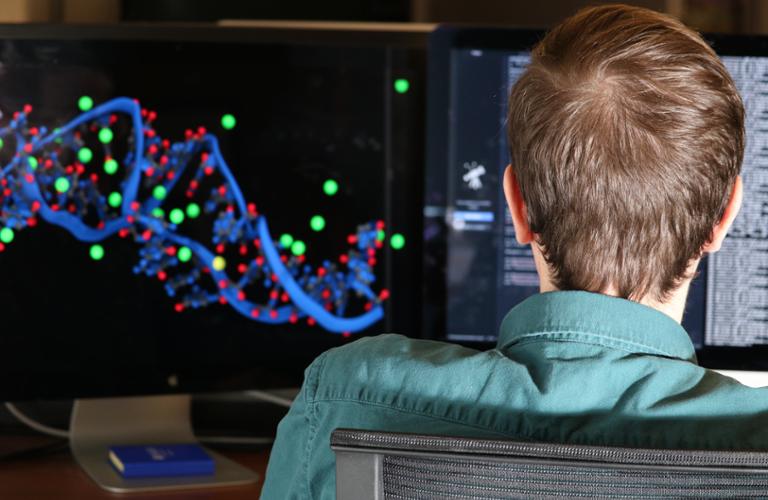
Use molecular dynamics simulations in the Evanseck Lab to investigate how mutations in SARS-CoV-2 RNA alter viral structure, flexibility and thermodynamics. This computational research helps explain how small genetic changes can impact viral behavior and function.
Engineer biomaterials in the Gawalt Lab that can localize antibodies and guide immune cell development. You can explore how self-assembling hydrogels are used to control biological interactions and support tissue engineering applications.
Explore how cholesterol metabolism supports the body’s immune defense against viral and bacterial infections in the Heisler Lab. You can also examine the role of specific proteins that promote the pathogenesis of Salmonella, Shigella, and Listeria.
Design and synthesize near-infrared fluorescent dyes in the Lummis Lab for imaging and optical applications. This research combines synthetic chemistry, spectroscopy and structural analysis to study how metal selection influences fluorescence behavior.

In molecular neurobiology-focused research like the Mihailescu Lab, you could examine how RNA-binding proteins recognize structured RNA elements such as G-quadruplexes in neuronal genes, helping explain how cells control protein production involved in learning, memory, and neurological disease.

In synthetic and computational organic chemistry work like the Montgomery Lab, you could investigate how to build new molecules, learning a wide range of techniques. You could also study how subtle modeling choices in computational chemistry dramatically alter predicted reaction pathways. By learning about both the practical application of organic chemistry, making molecules in the lab and observing their properties, along with the theoretical underpinning behind why the chemistry is happening you will receive training on how to think critically about chemical problems.

Explore the chemistry and reactivity of uranium- and protactinium-containing compounds in the Van Stipdonk Lab. This work combines mass spectrometry, spectroscopy and computational chemistry to study actinide bonding and oxidation behavior.