

Succeed from the Start
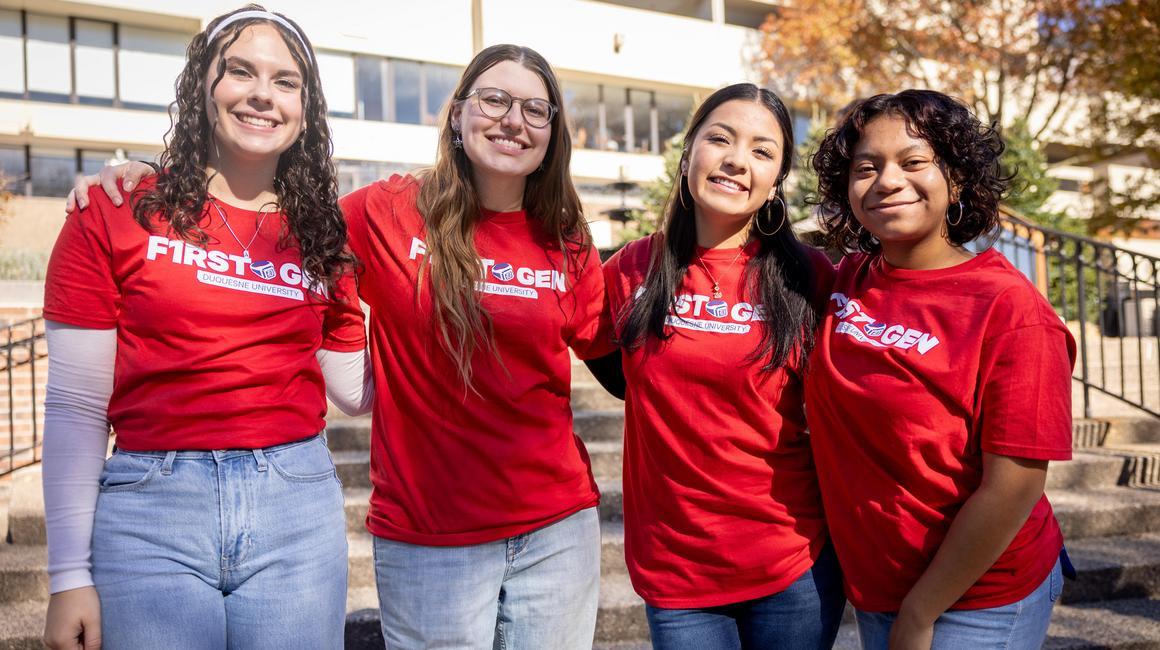
If you're a first-generation college student, you’re in good company. Roughly 28% of Duquesne students are first-generation college students, and we work hard to ensure that you have the support and resources to thrive as a vital member of the Duquesne family.
Being a first-generation college student is more than coming from a background where your parents or guardians did not graduate from college. Like you, these exceptional students are forging new ground as they venture into the unknown world of higher education. These students come to college with many strengths, including motivation, resilience, responsibility, and commitment. Being first-generation is something to be proud of as you have an incredible opportunity to write your own story, create your own community and thrive here at Duquesne!
First-Generation College Student Celebration Week: Nov. 2-6, 2026
The Division of Student Life and University-Wide Retention Committee for First-Generation College Student Success will be extending its annual First-Generation Student Celebration into the span of a full week from November 2-6, complete with training opportunities, informational tabling and a celebration to recognize our first-generation students. All students, faculty, staff, and administrators are invited.
First Gen Students, Alumni & Leadership
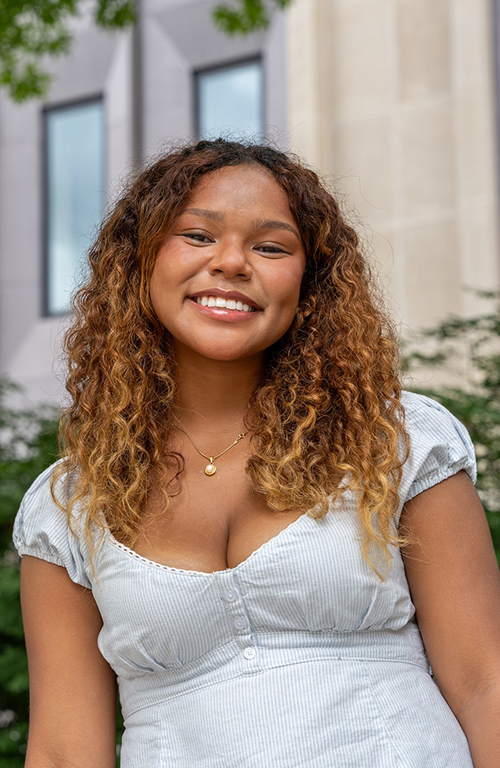
"The Duquesne Admissions team was also so easy to work with, from the start of my application process to greeting me on campus. I have a real sense of how I can be the best me at Duquesne."
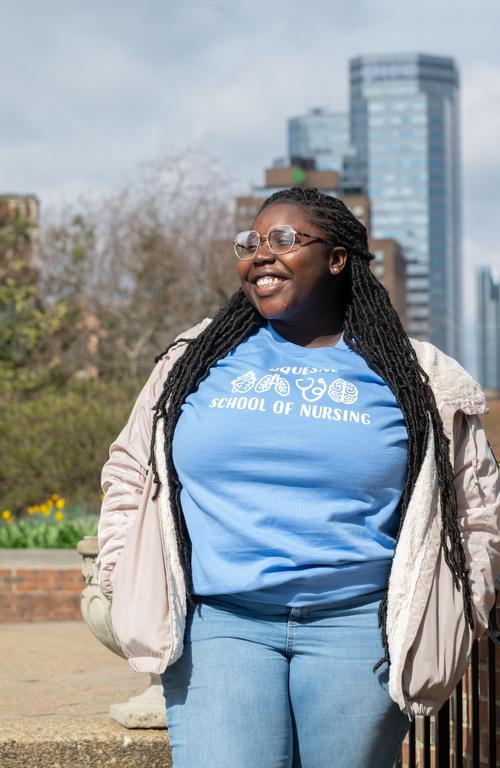
"As a first-generation college student, being a Gussin Endowed Scholar means the world to me. This opportunity gives me a chance to make my family proud."
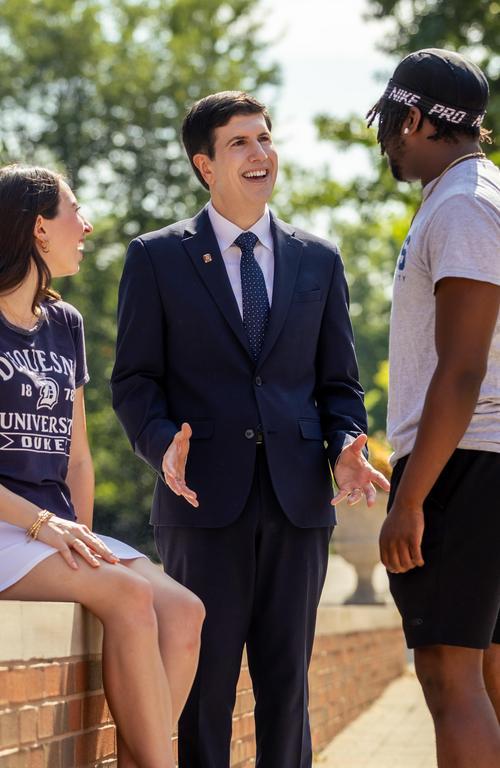
"Creating a supportive environment for first-generation students is a priority. As a former first-gen student, I understand the challenges these students can face in fully acclimating to college. Duquesne takes pride in providing our first-gen students with the resources they need to make the most of their college experience."
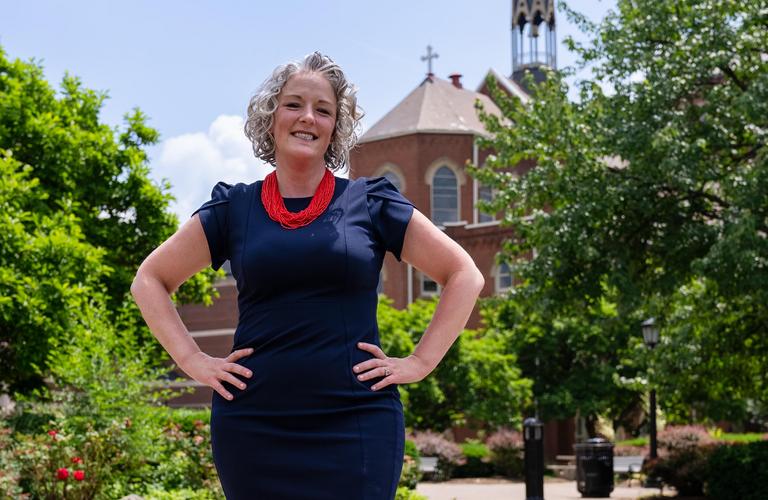
"As a first-generation student, I know firsthand the importance of fostering an environment where all students can thrive. From the beginning, Duquesne has been dedicated to walking alongside students and providing necessary support to ensure all students can fulfill their potential."
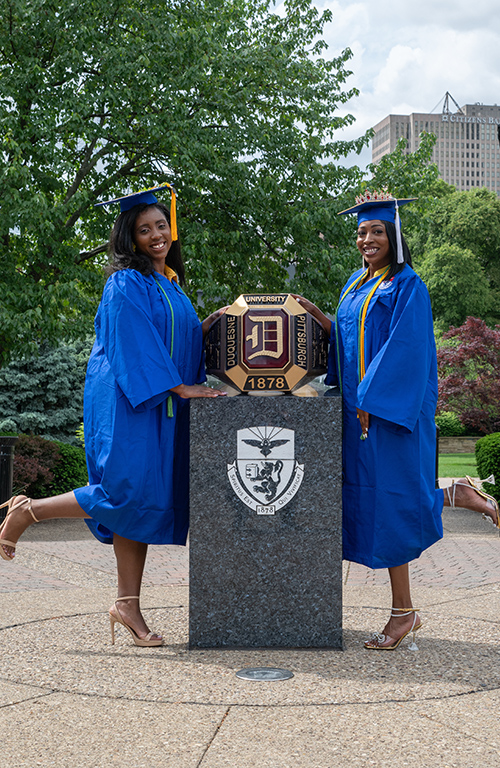
"My children have been with me on A-Walk, they've joined me in class and seen me doing lab work. We are helping them grow and starting a new generation of learners in our family."

"Being the first in my family to afford college is a big deal. There was a lot of talk around that with Duquesne Admissions and my family."
Common Experiences for First-Generation College Students
Many first-generation college students may feel extra pressure is put on them to succeed. Success is not just for yourself, but also for the entire family and/or community. It is important to talk to your friends, family, and community to make sure they know how you feel. There are also places on campus that can help you, such as:
- Center for Student Wellbeing
- Center for Student Success
- Academic Advising and Support
- Center for Career Development
- The Center
Being a first-generation college student is not just an accomplishment—it’s a powerful source of pride.
Earning a college degree as a first-generation student is a remarkable achievement. It reflects perseverance, courage, and determination in the face of challenges that others may never fully see. The commitment it takes to reach graduation—navigating new systems, overcoming uncertainty, and continuing forward even when things feel unfamiliar—creates a foundation of strength that no one can take from you.
We celebrate not only the milestone of commencement, but the entire journey that brought you there. The sacrifices made by you and your family, the obstacles you’ve overcome, and the personal growth you’ve experienced all shape the meaning of this moment. Your story is one of resilience and hope, and it carries significance not only for you, but for your family and for future generations who will be inspired by your path.
Take pride in what you have achieved. Your success is a reflection of your strength and determination, and it enriches the entire Duquesne community. You are not only reaching a milestone—you are helping to create a legacy.
Learn more about Tri-Alpha, the First Gen Honor Society!
See how we celebrate First Gen Week here at Duquesne!
Navigating the administrative side of college life, from completing paperwork and finalizing financial aid to registering for classes, can feel overwhelming, especially if you are encountering these processes for the first time. These responsibilities often come with new language, new systems, and important deadlines that may not always be intuitive.
You are not expected to navigate these steps alone. When challenges arise, we encourage you to remain persistent and to reach out for support. Our Student Services Resources page connects you to a wide range of offices and professionals dedicated to your success, including housing, health services, financial aid, academic support, and student accounts. These resources exist to remove barriers and help you focus on what matters most: your growth, your learning, and your flourishing as a member of the Duquesne community.
The cost of higher education is a significant reality for many students and families. We recognize that pursuing a college degree often requires careful financial planning, meaningful sacrifices, and, at times, difficult decisions about how to balance opportunities with available resources. For many first-generation students, navigating these financial considerations can feel especially complex when doing so without prior family experience to draw upon.
You are encouraged to remain in conversation with the Office of Financial Aid throughout the semester, not only at the beginning of the academic year. Their staff can help you better understand your aid package, explore scholarship opportunities, and identify potential resources to assist with unexpected expenses. Seeking guidance early and often can make a meaningful difference.
Financial stewardship is an important part of planning your college experience, and you do not have to manage it alone. Duquesne is committed to walking alongside students as they pursue an education rooted in opportunity, dignity, and hope.
Many first-generation college students share that they experience moments of self-doubt related to academic or social performance. Some even question whether they truly belong in a university setting. These feelings are more common than many realize, particularly when navigating spaces that may feel unfamiliar.
You are not alone in those moments. We encourage you to speak openly with trusted friends, faculty members, or mentors who can offer perspective, encouragement, and honest feedback about your progress. Our professors and staff are committed to accompanying students not only in the classroom, but in the fuller journey of personal and intellectual growth.
In the Spiritan tradition, we are called to walk with one another, especially when the path feels uncertain. Counseling Services is available for students who would like to explore feelings of worry or self-doubt in a confidential and supportive setting. Seeking support is not a sign of weakness; it is a courageous step toward resilience, confidence, and flourishing within our Duquesne community.
Being the first in your family to attend college is both a profound honor and a significant responsibility. At Duquesne University, we understand that first-generation students often encounter academic, social, and institutional experiences without the guidance of family members who have navigated them before. At times, it may seem as though others naturally understand the unspoken expectations and rhythms of college life.
If you are feeling this way, you are not alone. We encourage you to share your first-generation identity with your professors and mentors. Duquesne faculty are deeply committed not only to academic excellence but also to mentoring students as teachers, guides, and advocates. They can provide practical advice, connect you to campus resources, and support you as you discern a path that aligns with your talents and aspirations.
College is also a powerful place to build your network and expand your circle of support. The relationships you form with professors, advisors, classmates, and campus staff can open doors to internships, research opportunities, mentorship, and future careers. Seeking out connections, asking questions, and engaging in campus life are not just helpful in the moment — they are investments in your long-term success.
You belong here. Your presence enriches our community, and your journey reflects the Spiritan tradition of expanding opportunity and opening doors for generations to come.
It’s actually very common to feel a sense of guilt or being “out of place” when you’re
pursuing higher education, especially if your parents or family members didn’t have
the same opportunities. Many first-generation college students wrestle with this feeling.
It can come from a deep love and loyalty to your family, and a recognition of the
sacrifices they’ve made—but it can also create an internal tension, like you’re stepping
into a world they didn’t get to experience. It’s important to remember that your education isn’t something that separates you
from your family—it’s something that can honor them. The opportunities you have now
are often the result of their hard work, resilience, and hope for something more for
you. In many ways, continuing your education is a reflection of their sacrifices,
not a rejection of them. Feeling this way doesn’t mean you’re ungrateful—it means you’re thoughtful and aware.
At the same time, you deserve to fully embrace the opportunity in front of you. Your
growth, your success, and your experiences can open doors not just for you, but for
others in your family and community as well. You’re not alone in this. Many students share these same feelings, and over time,
that sense of guilt often shifts into pride, purpose, and a deeper connection to where
you come from. There are many classes to explore and majors to consider as you pursue your degree
at Duquesne, and it’s completely normal to feel unsure about your career path or academic
direction. You’re not alone—many students take time to discover what truly fits their
interests and goals. As you begin this process, consider enrolling in courses that genuinely interest you,
along with those where you have a natural aptitude. Duquesne offers a wide range of
programs across disciplines, giving you the flexibility to explore and find the path
that feels right for you. Taking the time to explore can help you better understand your strengths, clarify
your direction, and build confidence in the choices you make moving forward. The FAFSA (Free Application for Federal Student Aid) provides a number of government-funded
grant and loan options for applicants from all income levels, and there are also scholarships specifically designed for first generation college students like yourself. Duquesne
University’s Office of Financial Aid is here to help. Surprisingly, private colleges and universities can be even more affordable than public
institutions or community colleges, due to the relative amount of financial aid that
is needed to afford tuition. In addition, Federal Pell grants are examples of programs designed to help fund educational expenses for students. There is a lot to take in during your student’s first year of college—whether they’re
living on campus or learning from home—and it’s completely natural for parents, especially
those of first-generation college students, to feel unsure of where to start. This
transition isn’t just a big step for your student; it’s a significant adjustment for
you as well and many parents share the same worries One of the most helpful things you can do is simply be present in a supportive, steady
way. Listen to your student, keep an open mind, and create space for them to share
both their excitement and their challenges. At the same time, allow them the independence
to navigate this new chapter on their own. Finding that balance between support and
autonomy can be difficult, but it’s an important part of their growth. Staying informed can also make a big difference. Many colleges offer parent and family
resources such as orientation sessions, newsletters, family portals, and even support
groups where you can ask questions and connect with other families going through the
same experience. These can help you better understand what your student is experiencing
and how best to support them. It’s also important to acknowledge your own adjustment. Feeling a mix of pride, worry,
and even a sense of loss is completely normal. Seeking out resources for yourself—whether
through the university, community groups, or conversations with other parents—can
help you process those feelings and feel more connected during this transition. Above all, remember that you’re not alone in this. With time, communication, and support,
both you and your student will find your footing in this new phase. There is a lot to take in during your student’s first year attending college either
on-campus or online, and parents of first generation college students may feel especially
confused about where to start. However, you’re not alone. Be sure to listen to your student, keep an open mind, and seek out as much information
as you can.FAQs for First-Generation Students
FAQs for Parents of First-Generation Students
Log in or sign up. Here's a guide on how to navigate the portal.
In addition, seek out community support from neighbors and friends who can relate
to what you’re going through. Find peers at parent-teacher nights and via extended
family members who may be experiencing the same thing. There is strength in numbers!