
Online PhD Programs
Our PhD programs provide the flexibility to pursue the next step in your academic journey while balancing your professional and personal commitments. Designed for nurses who are passionate about advancing the profession, our programs prepare graduates to lead through research, scholarship, education, and innovation.
The goal of our PhD programs is to prepare nurse scholars who advance the science and practice of nursing. Through rigorous study and scholarly inquiry, you will develop the knowledge and skills needed to become a confident, independent researcher. Graduates are equipped to generate new knowledge, address complex healthcare challenges, and make meaningful contributions to nursing and the communities they serve.
Earning a PhD from the Duquesne University prepares you to make lasting contributions to the nursing profession through discovery, leadership, and lifelong scholarship.
Connect With Us
Do you have any questions about our PhD programs? Schedule a date and time to talk with the Director of Graduate Recruitment and Admissions!
Graduate Nursing Scholarships and Tuition Discounts
Duquesne’s School of Nursing offers students of select graduate nursing programs one of the following scholarships and tuition discounts: a 25% scholarship, 35% scholarship, or 55% tuition discount.
PhD Programs

Doctor of Philosophy (PhD) in Nursing
Advance your career as a nurse scholar with Duquesne University's online PhD in Nursing program. Designed for nurses who are driven to improve healthcare through research and discovery, the program prepares you to conduct original research, contribute to nursing science, and influence the future of nursing practice, education, and policy.

PhD in Nursing Ethics
As a nurse, you encounter complex ethical questions that shape patient care, clinical practice, and healthcare policy. Duquesne University's online PhD in Nursing Ethics program prepares you to examine these challenges through advanced scholarship, equipping you to lead ethical decision-making, influence policy, and advance the ethical practice of nursing.
DNP to PhD
Build on your Doctor of Nursing Practice education with Duquesne University's DNP-to PhD in Nursing track. This pathway prepares you to become an independent researcher and nurse scholar while expanding your expertise in research to generate new knowledge and advance evidence-based nursing practice.
Online PhD Overview
Various Program Options
PhD programs begin in May with the start of the summer semester. We offer three-year and four-year curriculum options, as well as a DNP to PhD program, which permits nurses with a DNP degree to gain valuable skills that will enable them to function as independent researchers.
All PhD programs are offered online with residency requirements at our Pittsburgh, PA, campus as well as at Trinity College in Dublin, Ireland as part of one study abroad experience.
Curriculum Options
The School of Nursing offers both a three-year and a four-year option for pursuing a PhD in Nursing. This allows you to apply to the program track that fits best with your goals and lifestyle. Although the tracks maintain the same coursework, they differ in their required level of commitment.
The three-year track requires the completion of six to ten credits each semester, making it ideal for students who can dedicate their focus primarily to their studies. On the other hand, the four-year track demands six credits per semester, providing a more relaxed pace suitable for students who may need to balance their academic pursuits with other life or work commitments.
DNP to PhD Program
Apply the knowledge and skills you learned in your DNP program to this DNP to PhD option which allows you to conduct research related to your DNP Project. The DNP to PhD program requires completion of 38 credits, which typically takes two-and-a-half years, including dissertation.
Residency Requirements
Residency One: Doctoral Week
Every student admitted to the PhD program is required to come to the Pittsburgh, PA,
campus for the first residency, usually held during the second or third week of May.
This week includes an orientation to the PhD program and provides an opportunity for
students to meet faculty and participate in live classes for the courses in which
they are enrolled that summer.
Residency Two: Study Abroad
Students enrolled in GPNG 924 Methods of Scientific Inquiry II will take part of the
course as a study abroad experience (approximately 10-14 days) in Dublin, Ireland,
where students will have housing at Trinity College.
*Please note that any tuition discounts that graduate students receive are not applicable to study abroad courses.
Residency Three: Topic Approval and Writing Intensive
This residency provides an opportunity for students to meet with their faculty mentor
on campus for discussion and writing around dissertation topic development in preparation
for approval.
Defenses
Each student must write and defend a dissertation on a topic of their choosing. As part of the PhD curriculum, you will be required to make both a proposal defense and a final defense.
Proposal Defense
The Proposal Defense is an oral defense of a written dissertation research proposal.
Final Defense
The Final Defense is an oral defense of the completed dissertation. Students make
one public oral defense. The University sets a deadline date for the final defense.
Prior to this deadline, students must have already:
- Successfully defended their dissertation.
- Made any corrections requested by their dissertation committee.
- Submitted an approved electronic (ETD) version of their dissertation.
Students need to work with their committee chairs to schedule their final defense dates at least four to six weeks prior to the University deadline.
Meet the PhD Faculty
The PhD faculty includes several fellows and department chairs. All faculty have areas of research expertise, and we invite you to connect.
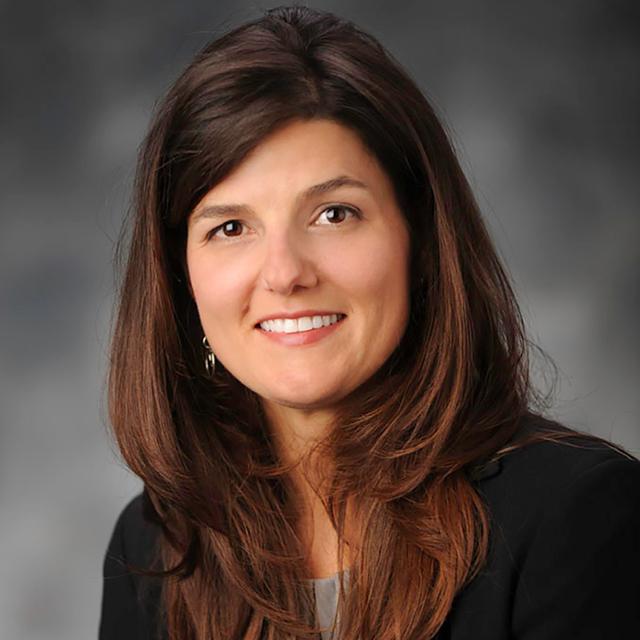
Alison Colbert, PhD, PHCNS-BC, FAAN
Community health; Incarcerated adults; Health literacy; HIV/AIDS/infectious disease; Adherence; Health promotion and care in vulnerable populations
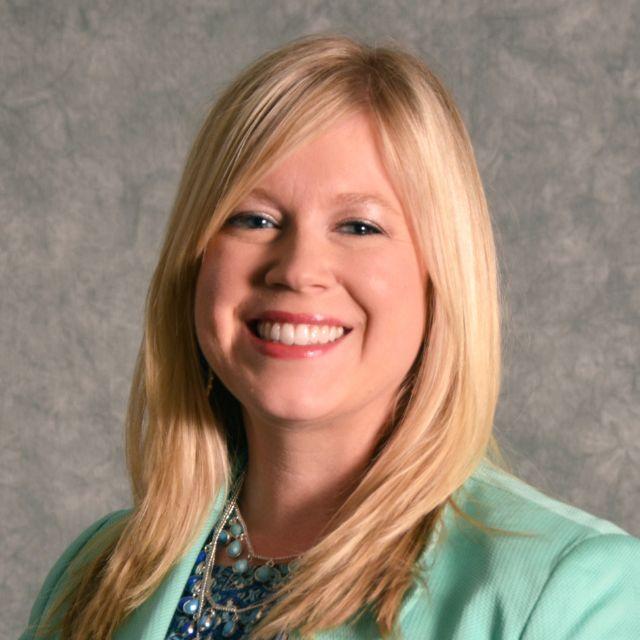
Jessica Devido, PhD, CPNP
Community-engaged research; Philosophy of biology and medicine; Health disparities; Maternal/child health; Health promotion; Mixed methods

Sr. Rosemary Donley, PhD, APRN, FAAN
Vulnerable populations; Social justice; Health policy; Nursing education; Chronic illness in adults
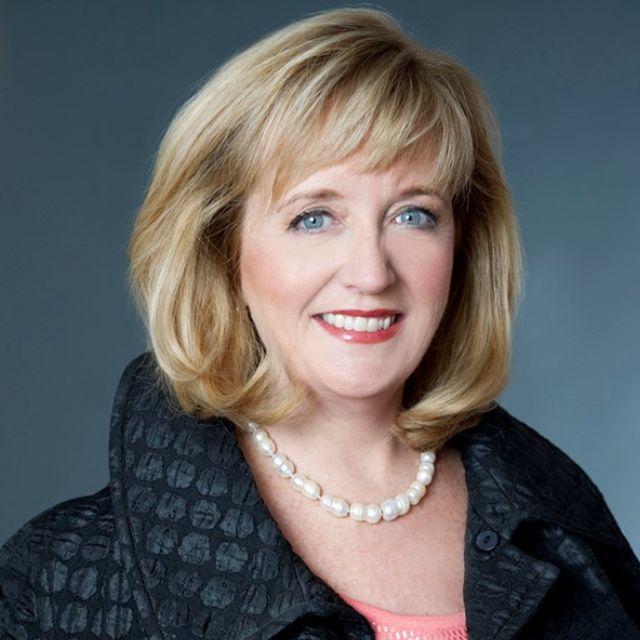
Mary Ellen Smith Glasgow, PhD, RN, ANEF, FNAP, FAAN
Nursing education innovation; Inter-professional simulation; Bone marrow donation; Oncology; Leadership; Quality and safety
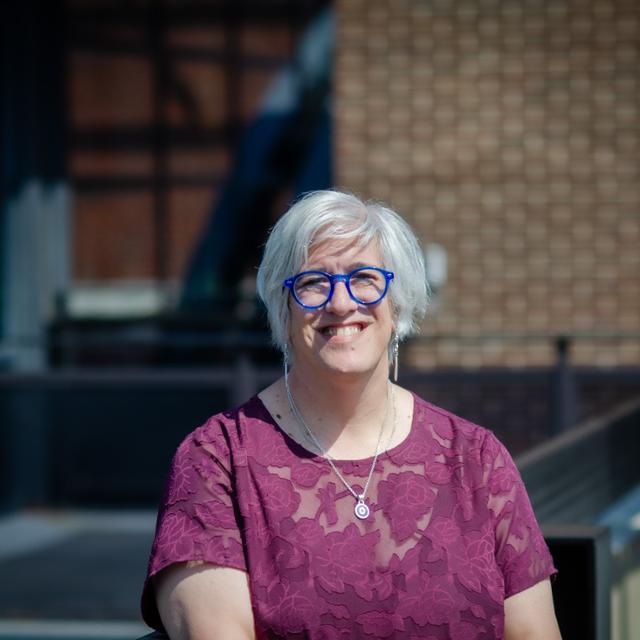
Julie Hinkle, PhD, RN, CNE, PNAP
Technology in education; Improving access to resources for marginalized individuals; Adaptive learning and personalization of education; AI in education
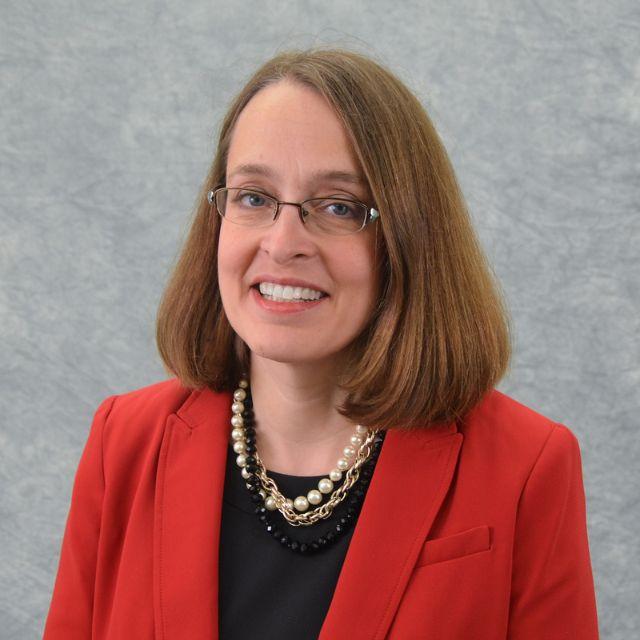
Melissa Kalarchian, PhD
Obesity and bariatric surgery; Behavioral lifestyle intervention; Psychosocial functioning; Health behaviors; Clinical studies
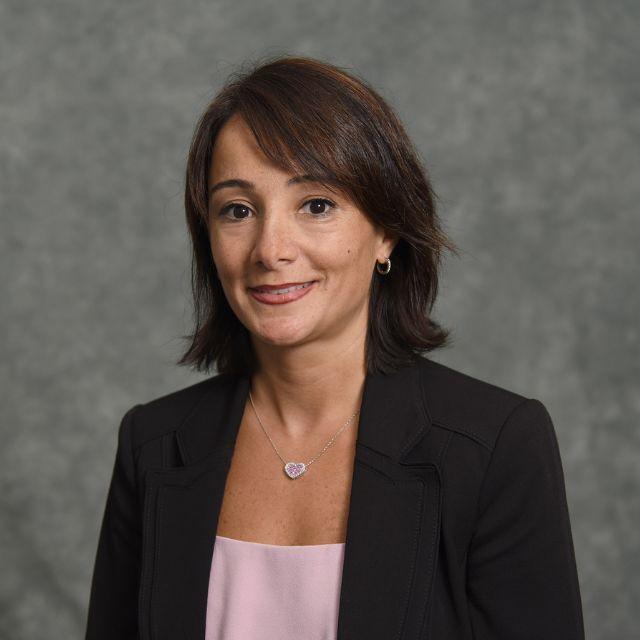
Angela Karakachian, PhD, RN
Pediatric Nursing; Nurses' moral distress; Nurses' burnout; Caring for victims of child maltreatment
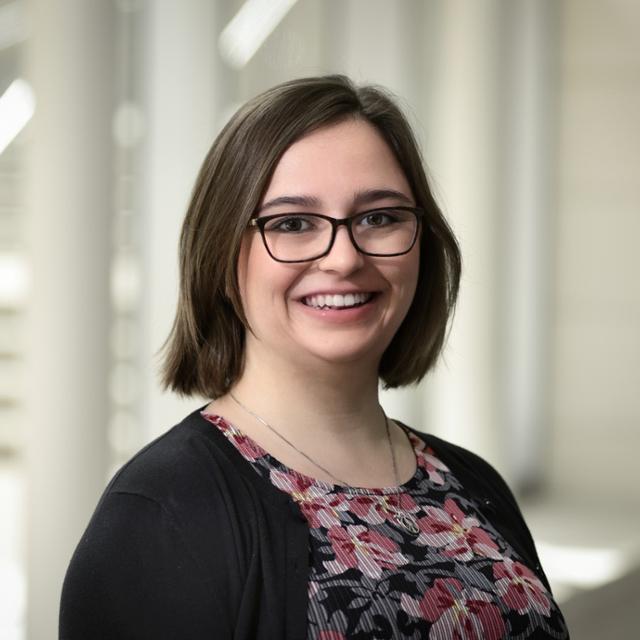
Megan Kitts, PhD, HEC-C
Reproductive ethics and emerging reproductive technologies; Surrogate decision-making for adults; Social epistemological questions in clinical ethics
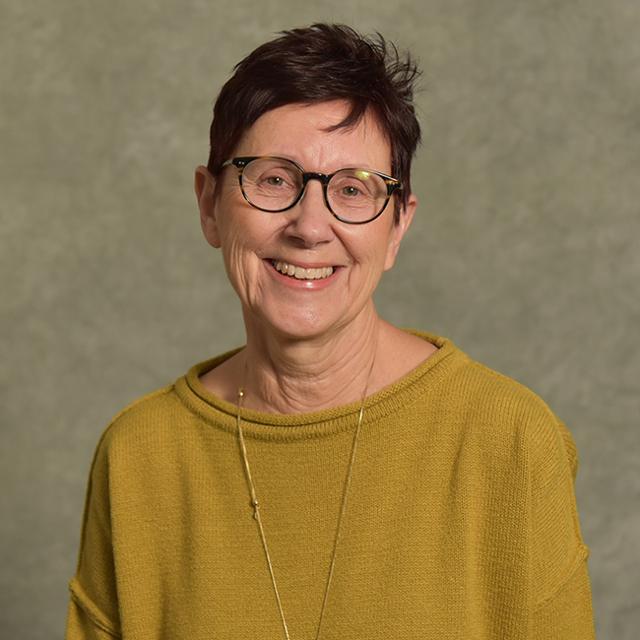
Rebecca Kronk, PhD, MSN, CRNP, ANEF, FAAN, CNE
Genetic Literacy; Genetic education in nursing students; Vaccine refusal and the nurse's role; Health outcomes of nursing students; Sleep in children with special needs; Photovoice; Health care and people with disabilities

Denise Lucas, PhD, FNP-BC, CRNP, FAANP
Medically underserved; Working poor women and their resources; Poverty; Chronic illness (especially hypertension and diabetes); Antibiotic overuse

Lauren Narbey, PhD, CNM, WHNP
Perinatal substance use; Women's health; Midwifery

James Schreiber, PhD
Motivation and cognition; Peircean reasoning; Statistical analysis and modeling using both Fisherian and Bayesian techniques; Multi-faceted wellness
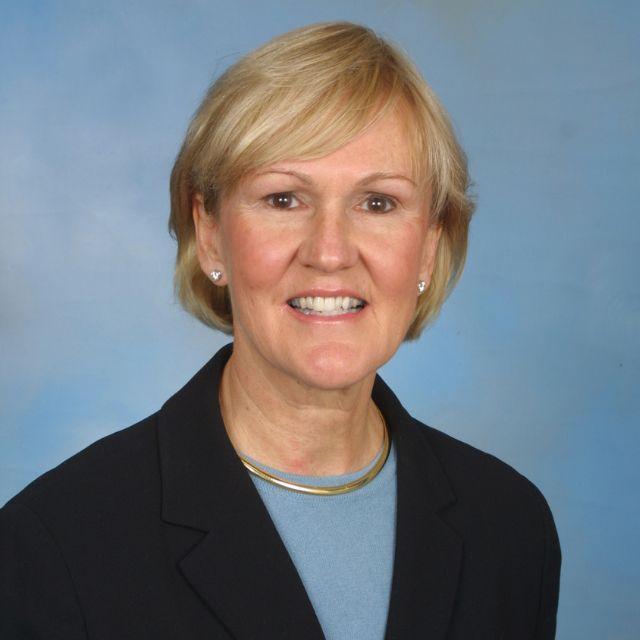
L. Kathleen Sekula, PhD, PMHCNS, FAAN
Vulnerable populations; Psychiatric implications in forensic nursing; Victims of violence; Domestic violence; Sexual assault; Forensic nursing

Mai-Ly Nguyen Steers, PhD
Social media in relation to health and well-being; Social media in relation to alcohol use; Psychosocial factors on alcohol use and substance use; Brief alcohol interventions; Cultural influences on health
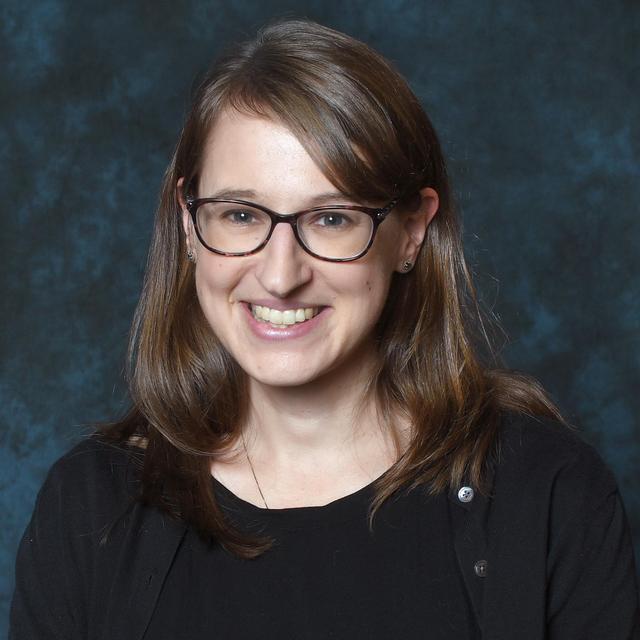
Theresa Stujenske, PhD, RN
Women's reproductive health; Menstrual cycle research; Polycystic ovary syndrome

Melanie Turk, PhD, RN
Behavioral treatment of obesity; Weight loss and maintenance; Behavior change for health promotion among vulnerable populations

Eric Vogelstein, PhD
Biomedical Ethics; Ethical Theory
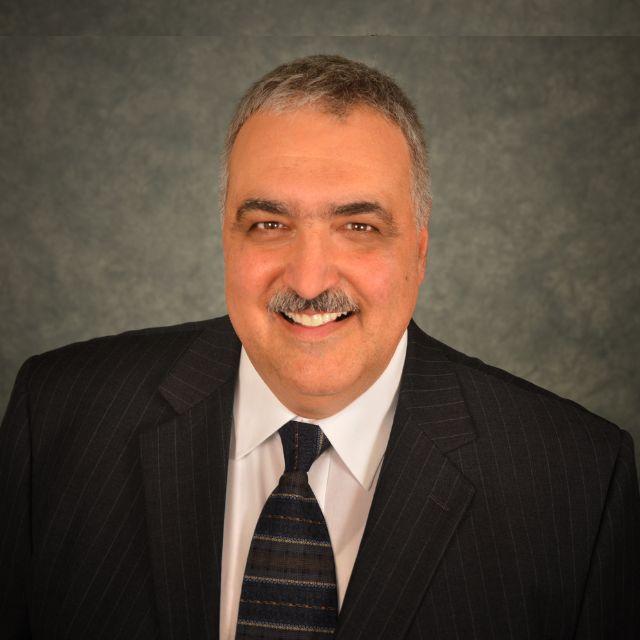
Rick Zoucha, PhD, PMHCNS-BC, CTN-A, FTNSS, FAAN
Community based participatory action research; Psychiatric Mental Health Nursing; Transcultural/international nursing; Cultural competence and health needs; Qualitative research methods
Frequently Asked Questions
Frequently asked questions for the PhD in Nursing programs.
No later than the fall semester prior to beginning the program.
*Please note the course must have been completed within the last 5 years.
If our GREV 510 does not meet your timeline, courses will be accepted from any accredited university with prior approval from the PhD chair. To assist applicants, our PhD faculty have identified online courses through Portage Learning and the University of Phoenix that meet the prerequisite requirements.
If you identify another course that you would like to attend in person or online, please submit the course information for approval prior to enrollment.
If you have any questions, please contact Director of Admissions Brian Bost at (412) 396-6539 or via email.
Additional Resources
Several resources that are helpful for PhD students:
Questions?
For questions regarding PhD programs, admissions or other info, please contact us.